Case presentations
Work them stepwise. Physical exam first. Diagnosis last.
Dyspnea
Cardiology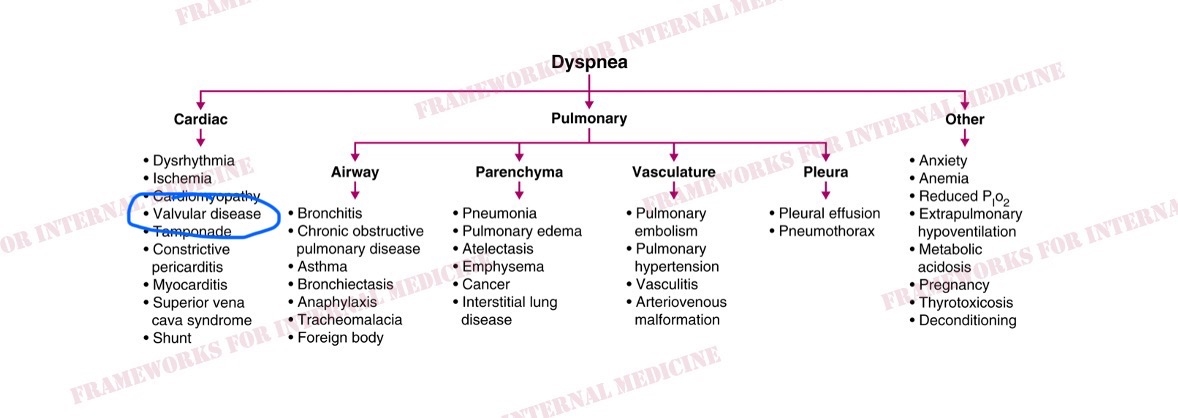
A middle-age man presents with dyspnea on exertion, orthopnea, and weight gain. His BP is 112/40. This should generate a hypothesis, which you begin to test by evaluating for specific physical findings. What do you notic
Fever
Infectious Disease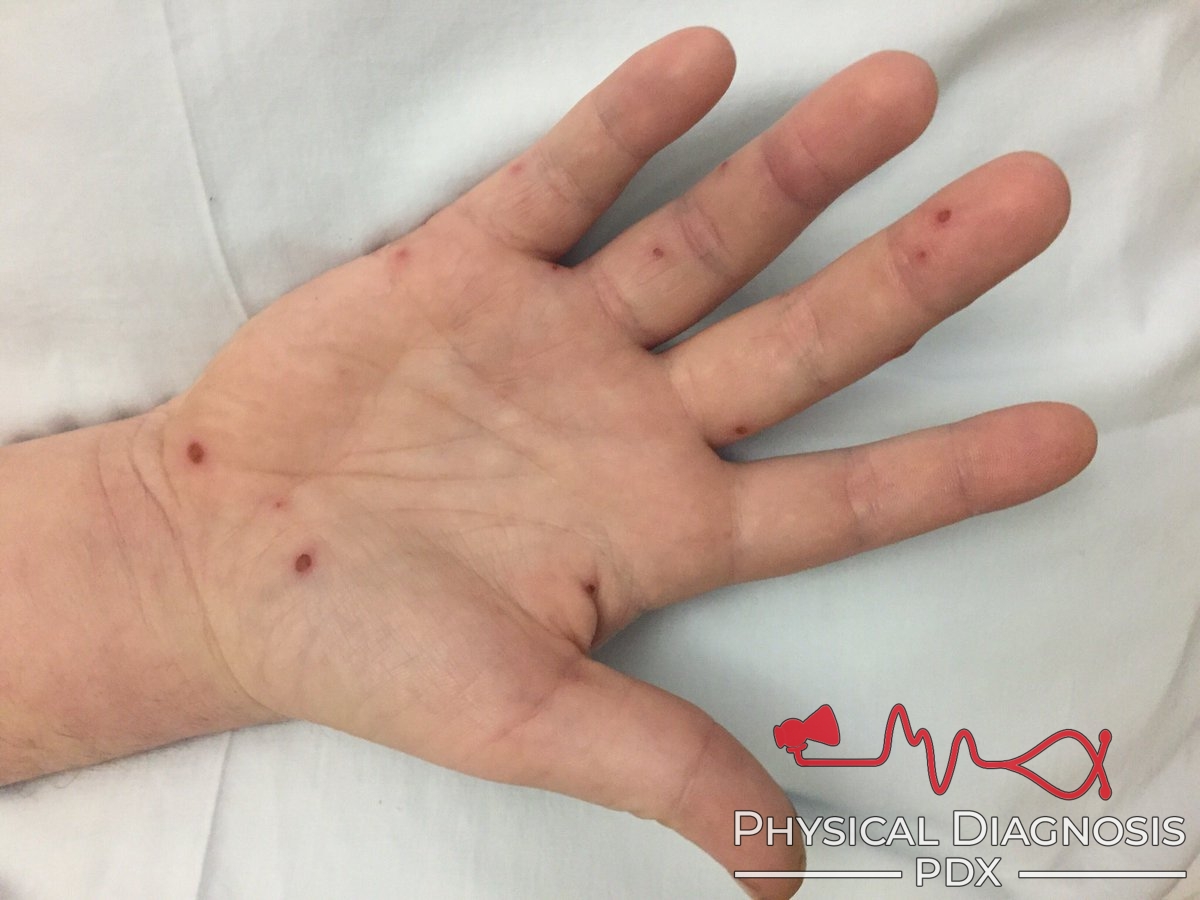
A young man is admitted to the hospital with malaise and fever. You examine his hands and find these tender nodules. This should generate a hypothesis. With your hypothesis in mind, you listen to the patient’s heart.
Weakness
Neurology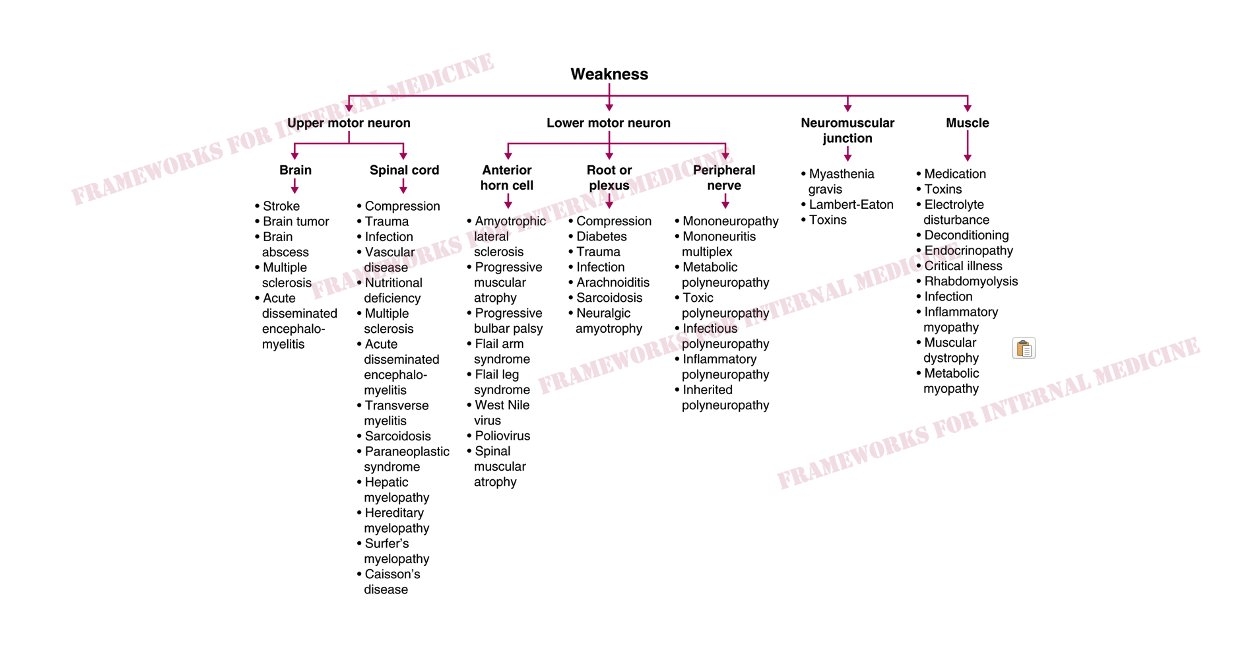
A middle-aged man walks into your clinic complaining of weakness. You take a moment to observe his gait. What do you notice? This should generate a hypothesis. You reference your framework for weakness and try to determ
Progressive dyspnea
Cardiology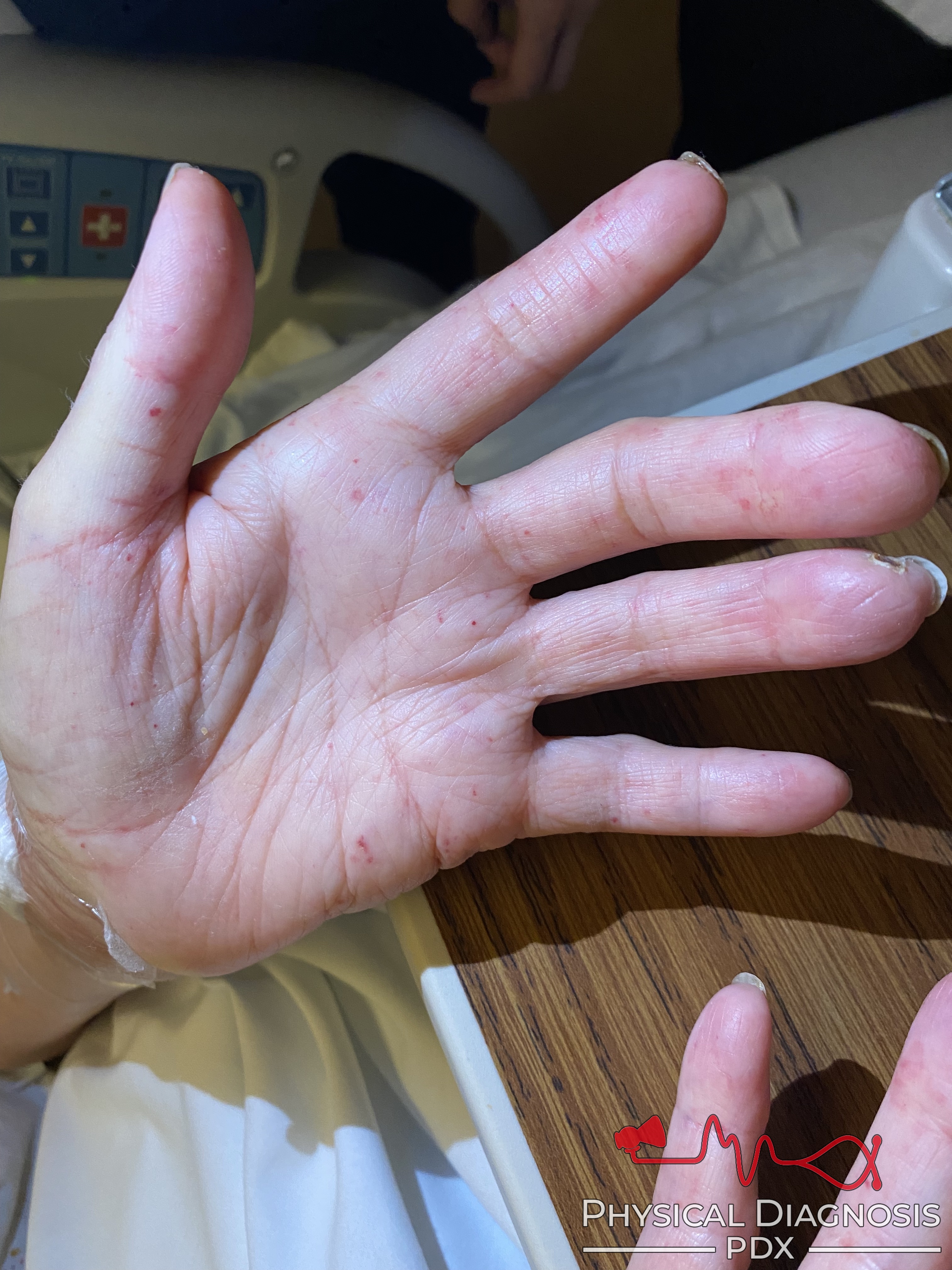
A middle-aged woman presents with progressive dyspnea. You start with her hands. What do you notice? Does it generate any hypotheses in your mind? Could these small erythematous lesions be telangiectasias? Let’s see if
Extra Heart Sound
Cardiology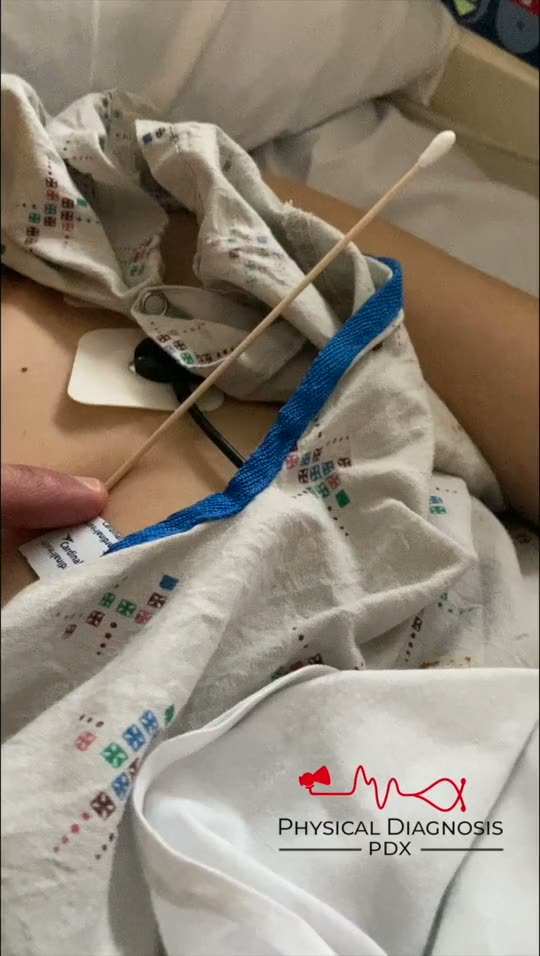
So you hear an extra heart sound. Now what? First: Is the extra sound near S1 or S2? Each scenario is associated with a different differential. Listen to this clip. Is the extra sound here near S1 or S2? Not sure you hea
Transient Heart Sound
Cardiology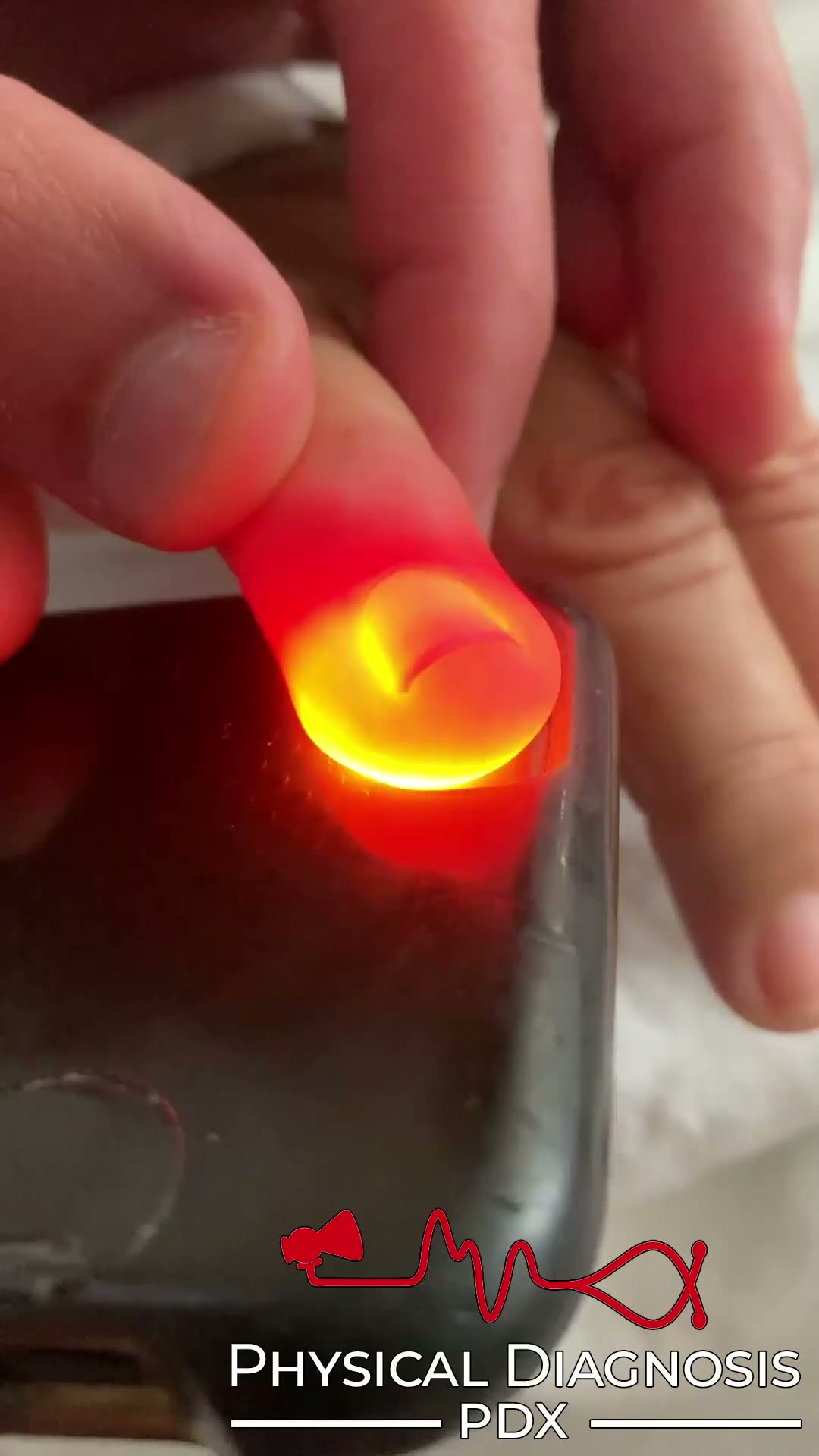
You hear an extra transient heart sound near S1. Now what? Not sure you hear three sounds? Here is normal S1 and S2 to serve as a control. There are two sounds. Listen to this clip and then re-listen to the above clip
Exertional Dyspnea
Cardiology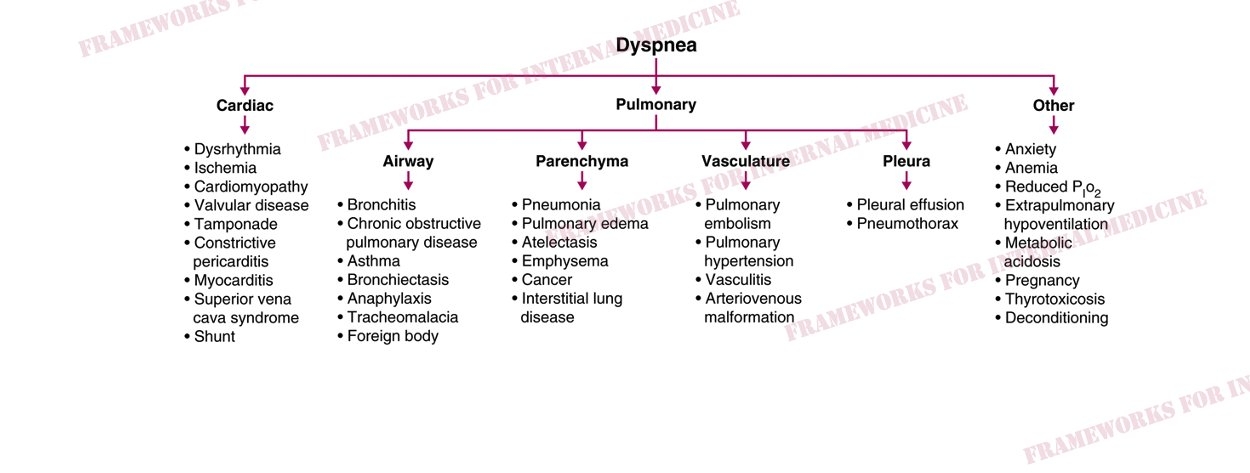
A 50-y/o man presents with exertional dyspnea. The two main systems responsible for dyspnea are the heart and the lungs. The jugular venous pulse can serve as a pivot point. It can take you toward or away from the heart.
Heart Failure
Cardiology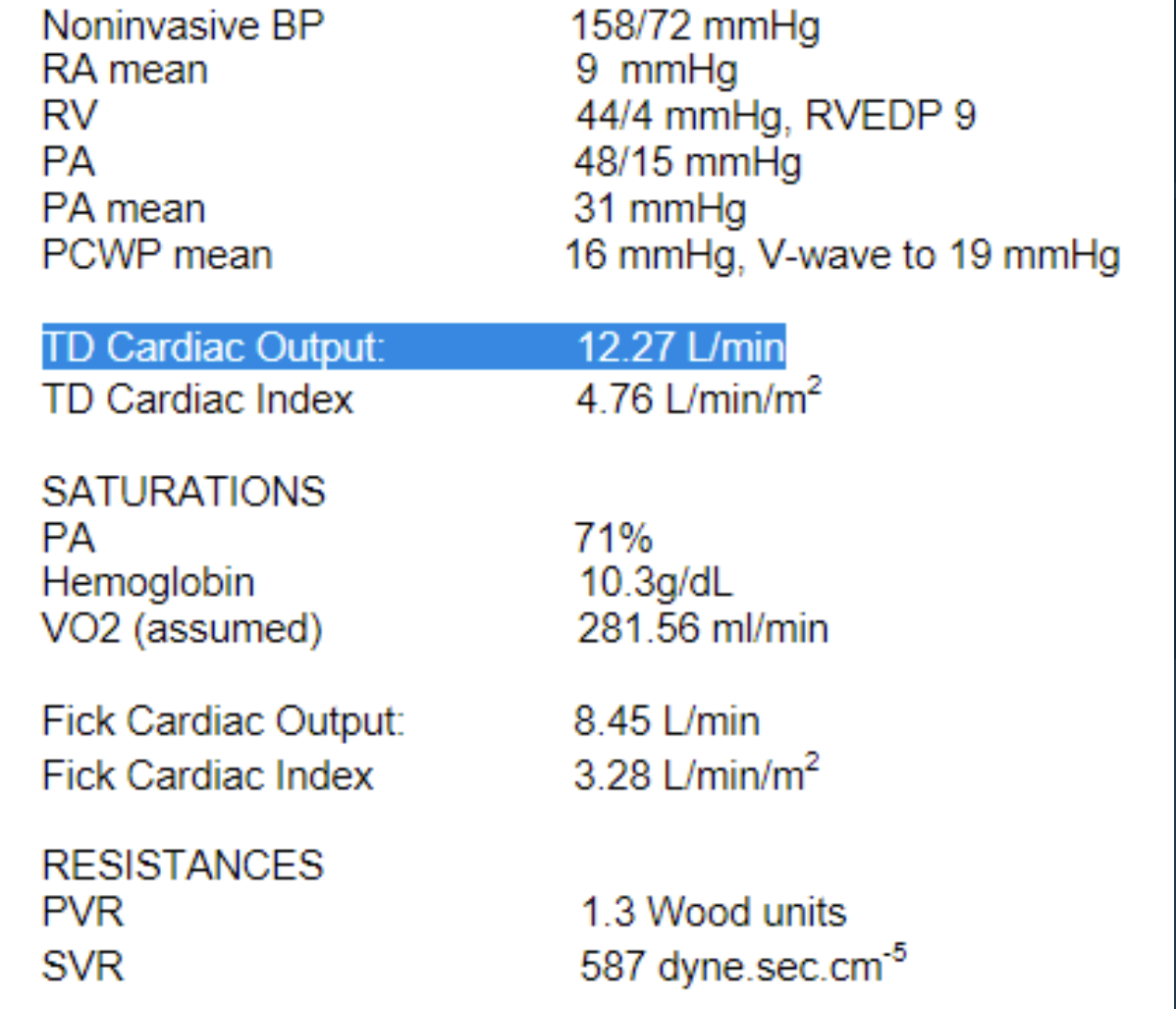
A man presents to you with the clinical syndrome of heart failure (weight gain, orthopnea, elevated JVP, etc.). BP is 144/48 mm Hg. This should generate a hypothesis. Yoo you look for other specific physical findings. Wh
Rapid Weight Gain
Nephrology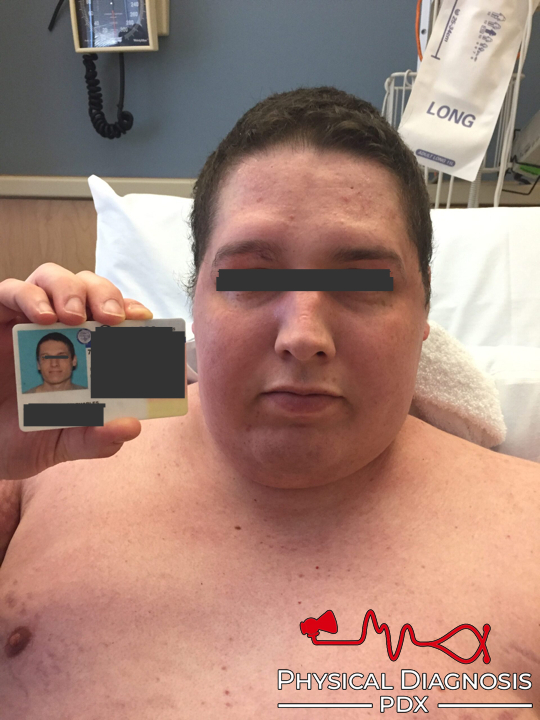
A young man comes to your clinic for evaluation of rapid weight gain. He has heard “diet and exercise” several times before he sees you. The driver license photo was taken ~9 months prior. You make some observations, lea
Ascites
Gastroenterology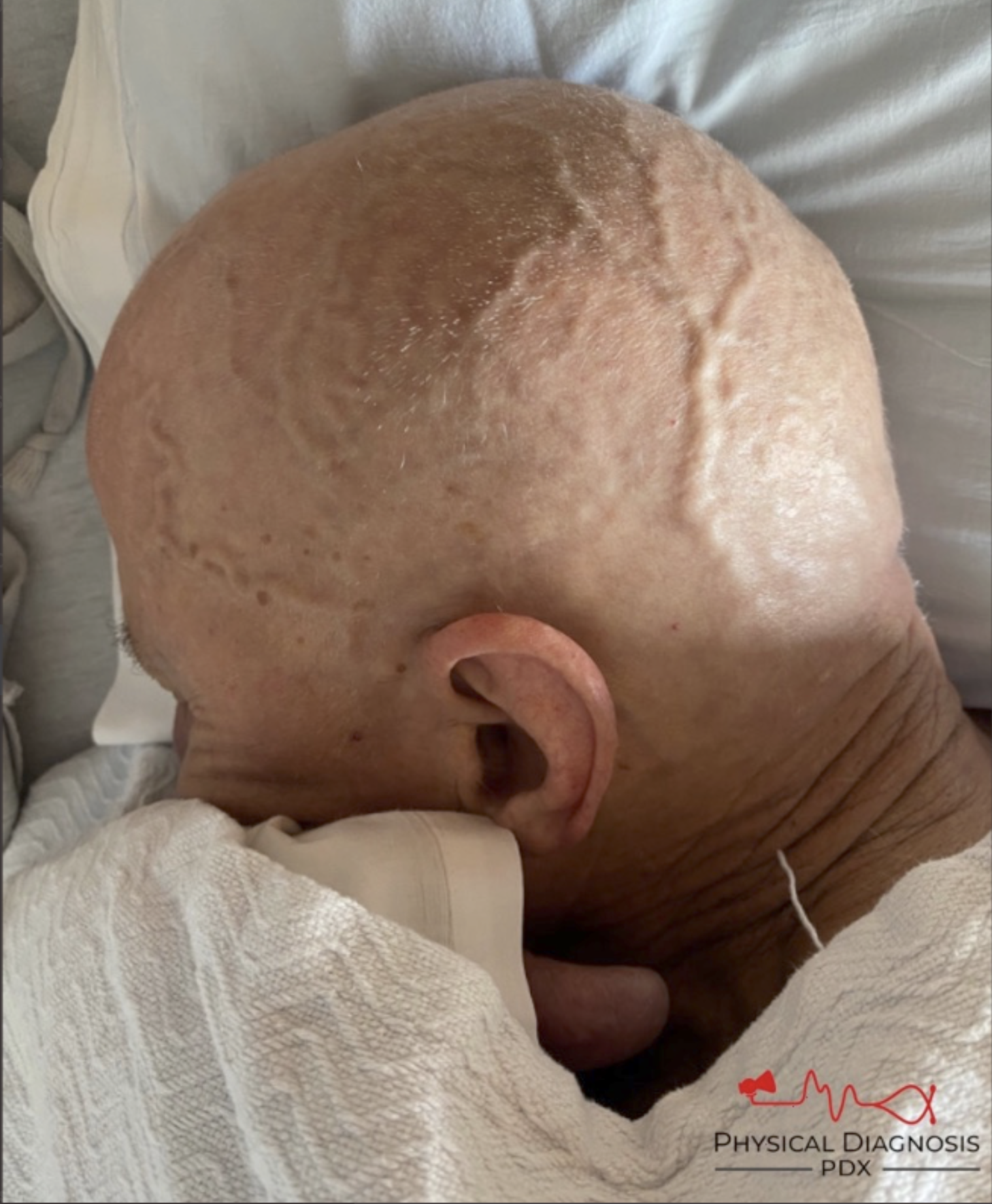
You are rotating on the Procedure Service and your team is asked to perform a routine “therapeutic” paracentesis on a patient with cancer. You walk into the room to meet the patient and this is what you see. This finding
Jaundice
Gastroenterology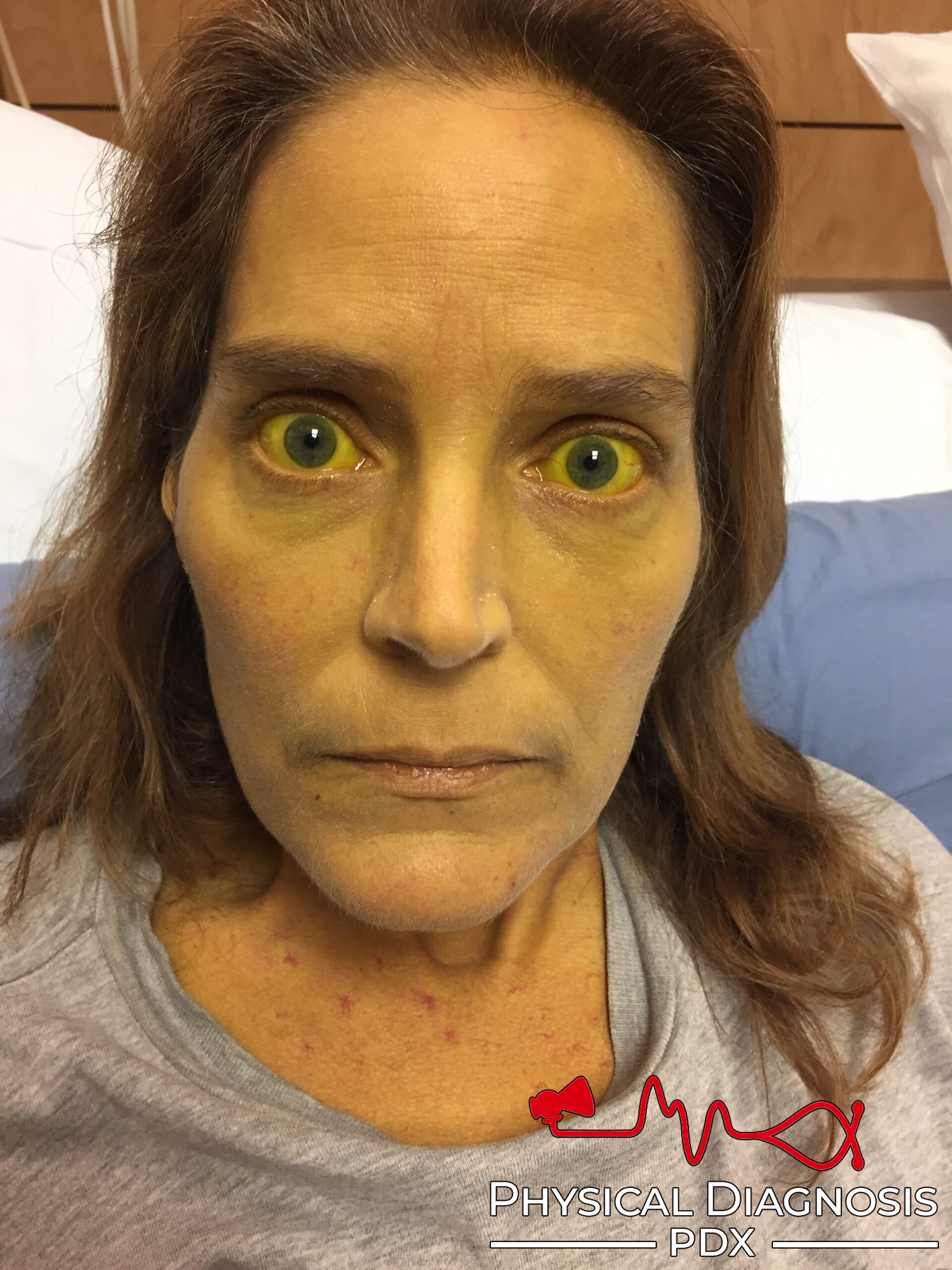
This previously healthy woman presents with fatigue and weight gain. We walk into the room to meet her. What findings are present? These findings should generate a hypothesis. The three primary colors are red, yellow, an
Hypoxemia
Pulmonology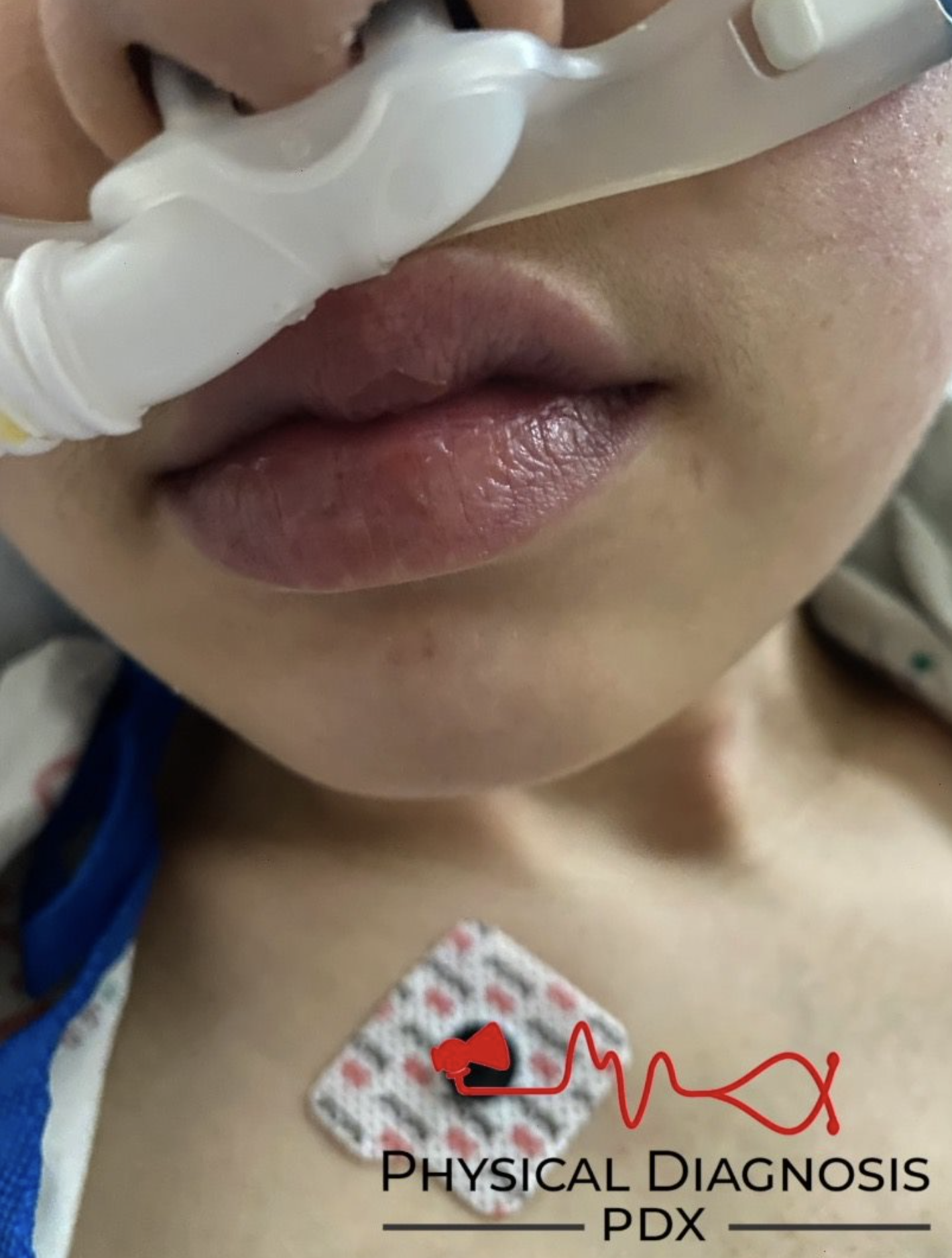
A young woman presents with progressive dyspnea. You walk into the room and this is what you see. What finding is present? Central cyanosis indicates the presence of hypoxemia. SPO2 by pulse oximetry is 80%. ABG on room
Discordant Heart Failure
Cardiology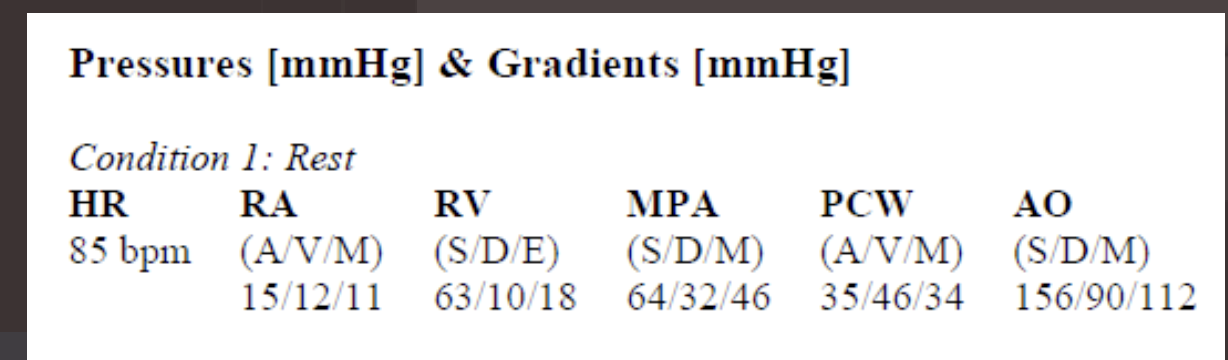
A 60 y/o man w chronic systolic HF is admitted with increasing dyspnea on exertion, orthopnea, and fatigue. Says his weight hasn’t changed much recently. We perform a quantitative assessment of the jugular venous pulse.
Migratory Arthritis
Rheumatology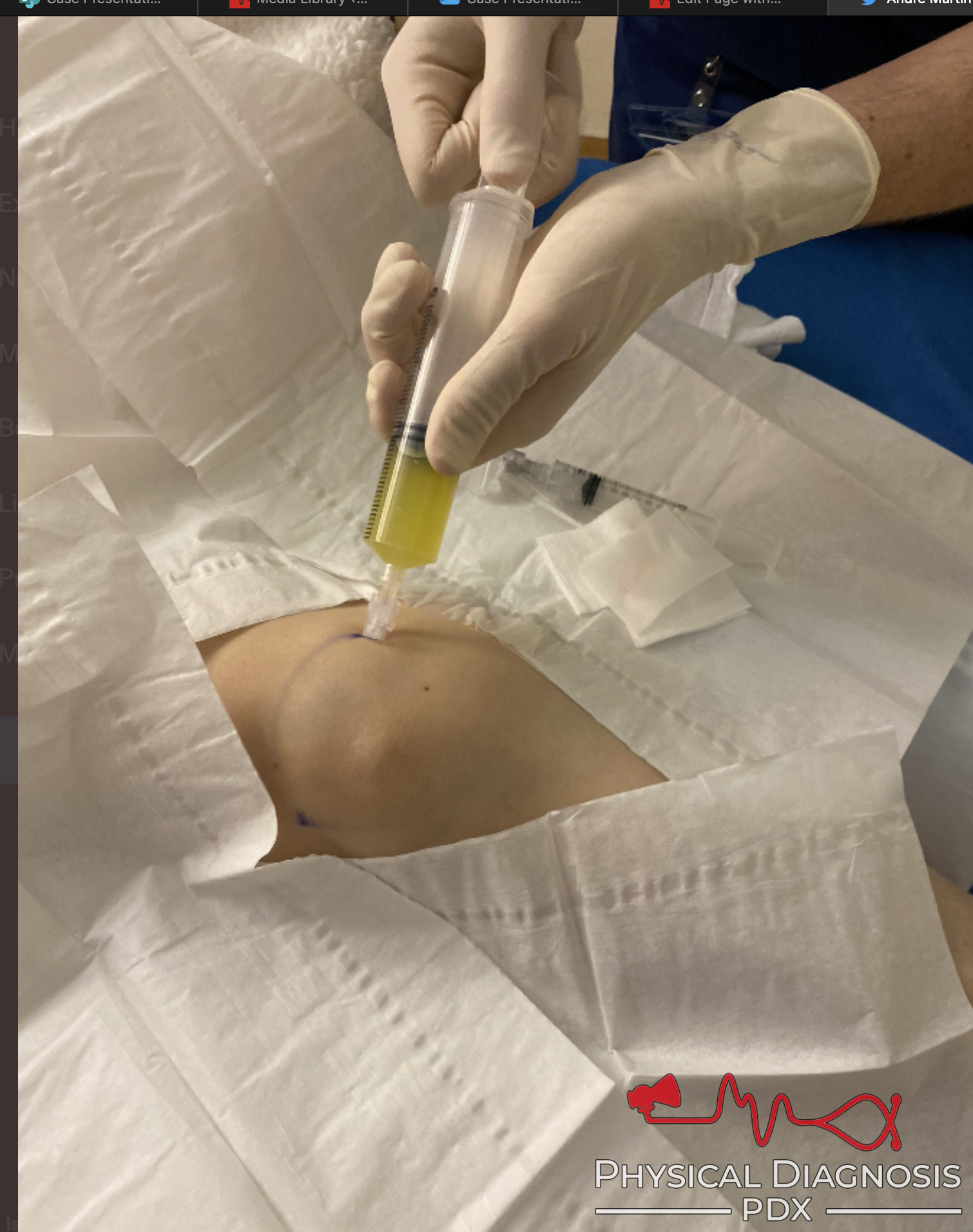
A 26 y/o woman presents with migratory arthritis. Started with a red and hot foot/ankle. Then went to the knee. Overuse, she was told. When ice/rest did not help, she went to the hospital. An arthrocentesis procedure was
Hyperpigmentation
Gastroenterology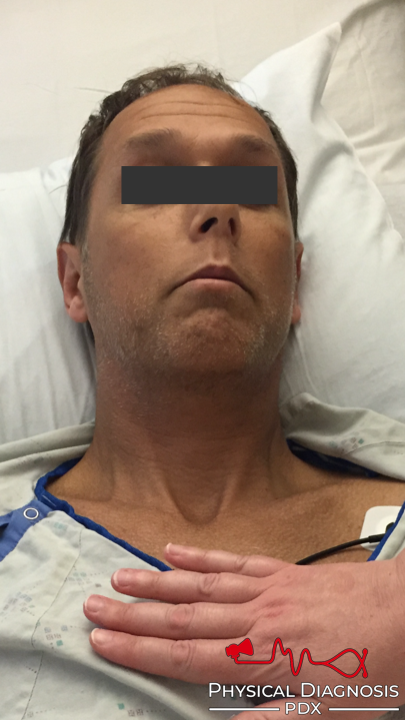
A 44 y/o man is admitted with acute abdominal pain, nausea, vomiting, and diarrhea. HR 130, BP 90/52. You walk into the room to meet the patient. What do you notice? This should generate at least one hypothesis. You ask
Chronic Diarrhea with heart problem
Gastroenterology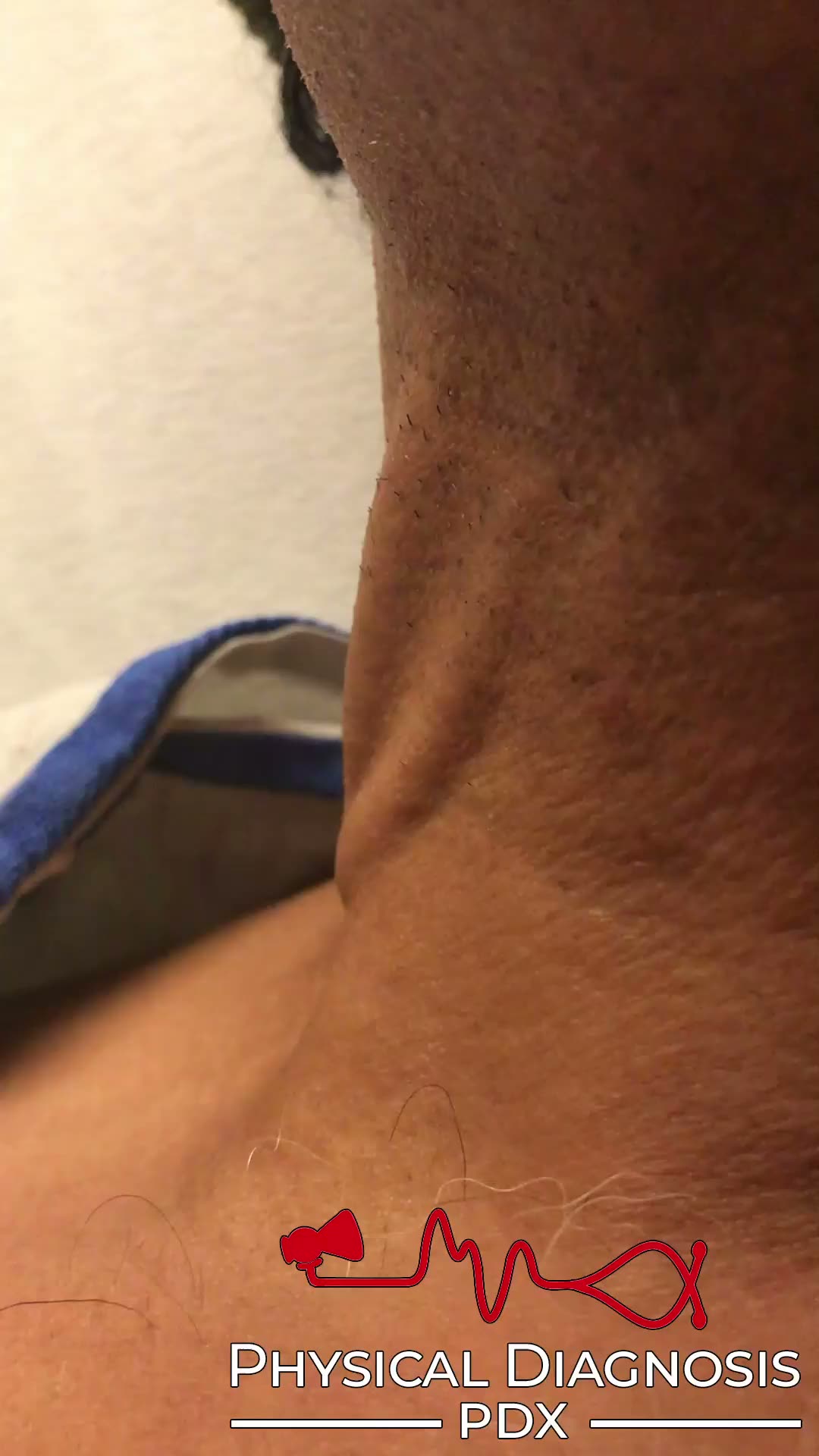
A 55 y/o man presents for evaluation of chronic diarrhea. We walk into the room to meet him. We have an opportunity to make an “augenblick” diagnosis – one that can be made in the blink of an eye. We listen to his heart
Dyspnea and high arches
Cardiology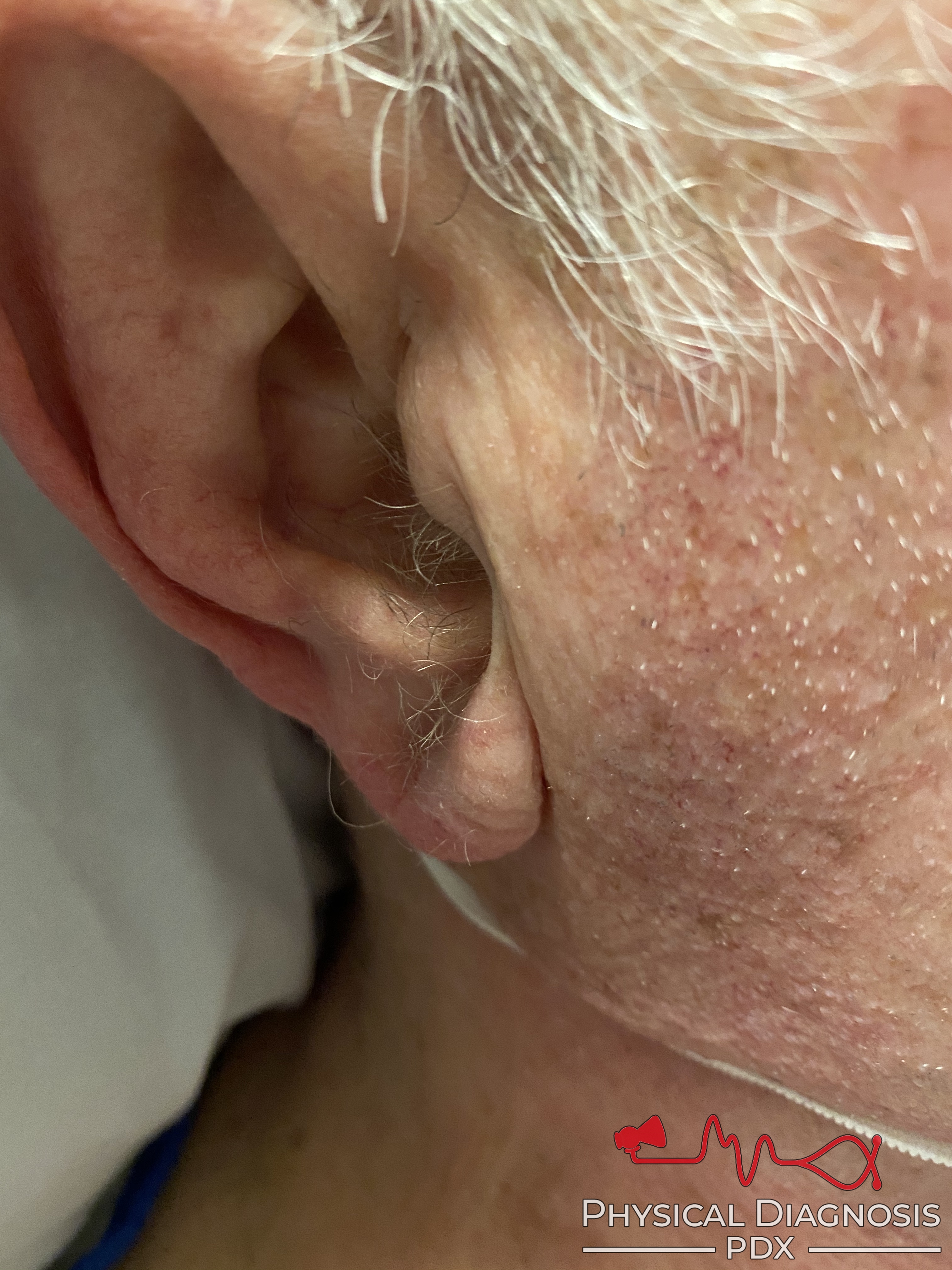
A young man presents with dyspnea. We start with his hands. My hand is gloved in the second photo (for frame of reference, I can palm a basketball). Our patient has a finding that should generate a hypothesis. Our hypoth
Old man with a masked face
Neurology
This patient presents for evaluation after family noticed he’s been “slowing down” recently. We walk in to meet him. How old do you think he is? Perhaps there is already a clue to the underlying diagnosis. After speaking
Chest pain, joint pain, erythematous nodules and the Silk Road.
Rheumatology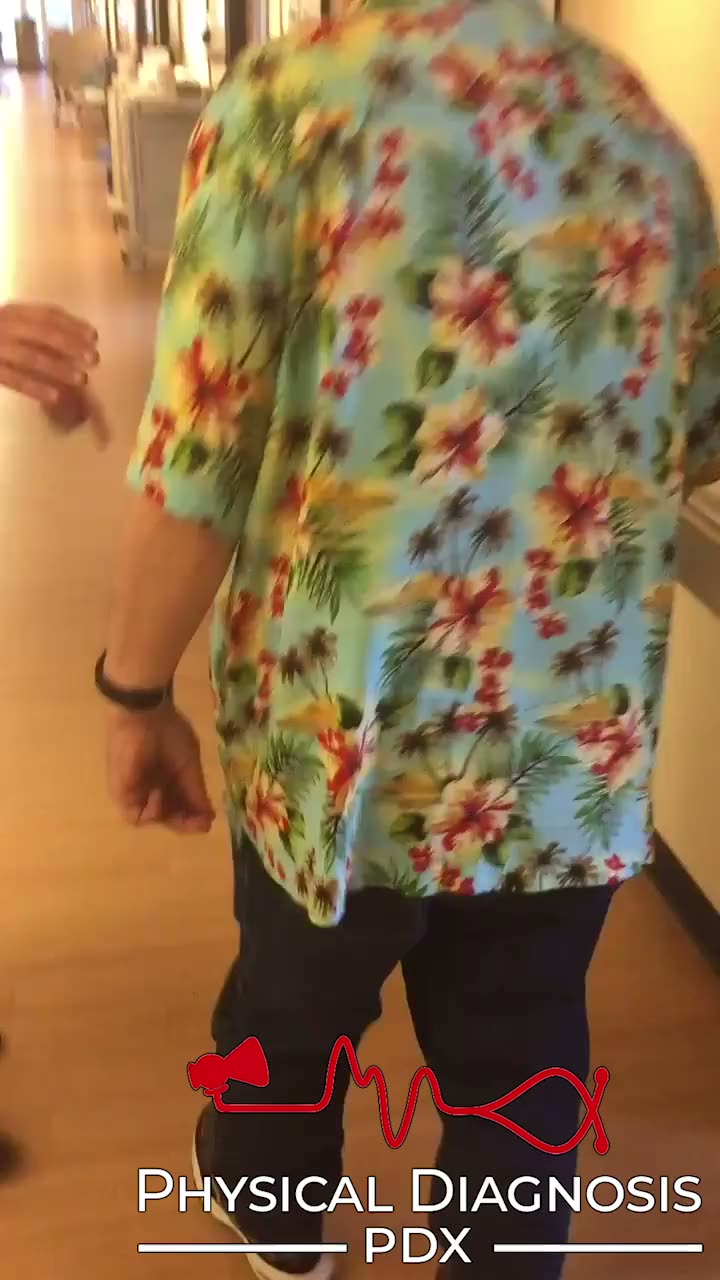
A young Lebanese man presents with several days of chest pain. Let’s remind ourselves where Lebanon is on the map. It may prove valuable “down the road”. Now let’s deal with his chest pain. It can be helpful to think of
Dyspnea with Hypotension
Cardiology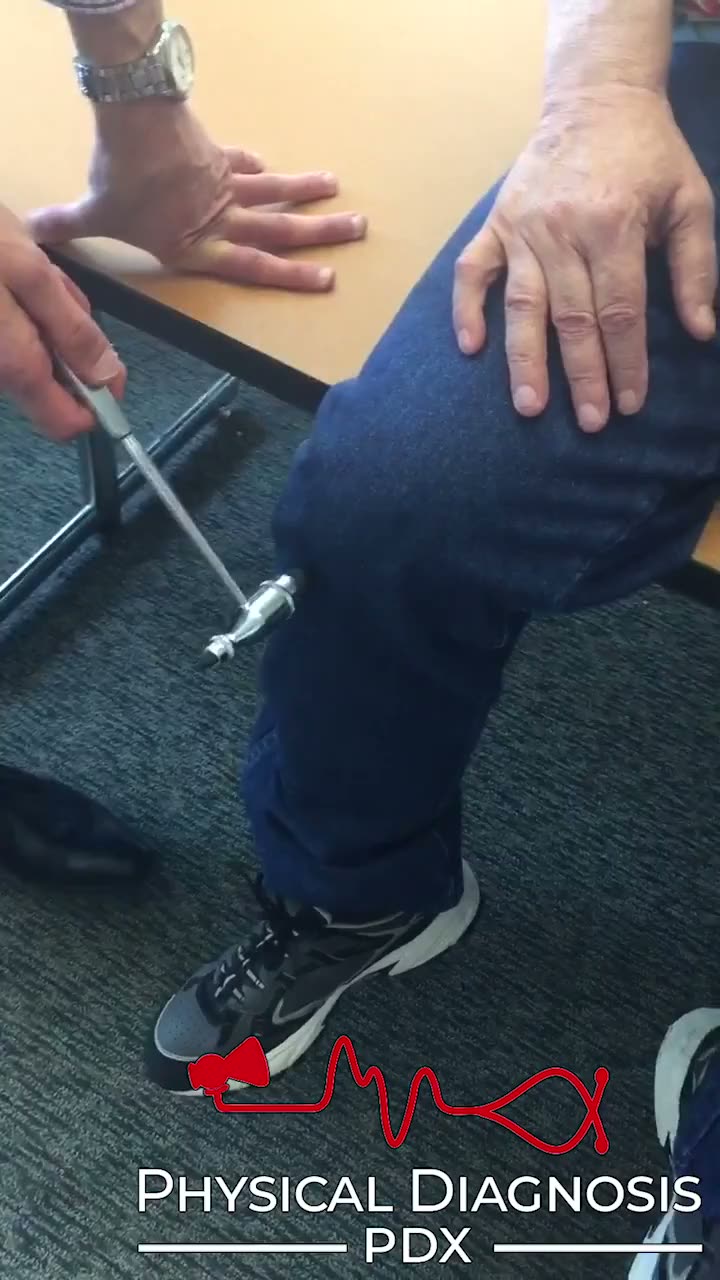
A middle-aged man presents with acute sudden-onset dyspnea and hypotension. He is sitting upright. What do you notice? Let’s see if we can figure out the cause of hypotension. First. What are the 4 basic mechanisms of hy
Chest Pain, Dyspnea
Cardiology
A 75-year-old woman presents with chest pain and dyspnea. What do you notice about her neck veins? The jugular venous pulse is dynamic, with impressive X and Y descents, as well as Kussmaul’s sign (rise in JVP with inspi
Nose and gum bleed with skin rash
Rheumatology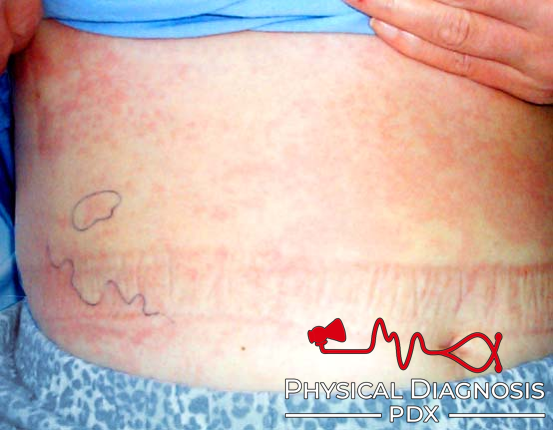
A young woman presents with bleeding from her nose and gums and the following skin rash. Petechiae are pinpoint hemorrhages <2 mm in size, purpura are 2 mm to 1 cm, and ecchymoses are >1 cm. Our patient has all three. Th
Dyspnea and Hypoxemia
Cardiology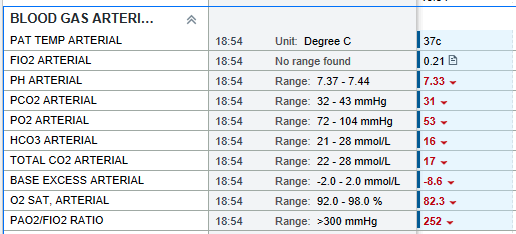
A man undergoes biopsy and plate/screw placement for a pathologic hip fracture and returns to the floor with new dyspnea and hypoxemia. Hypoxemia can be intimidating. Unless you have a system. Let’s go through the case.
Progressive Numbness and Paresthesias
Neurology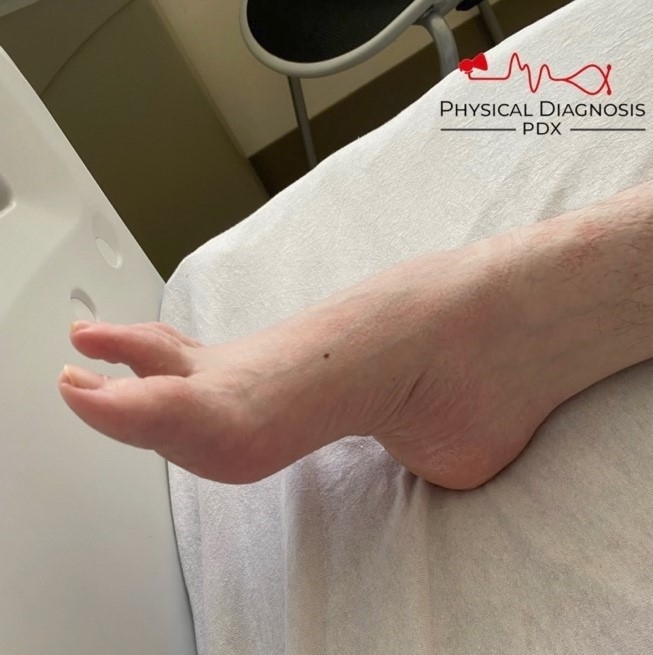
A 35 y/o woman presents with numbness in feet and legs, paresthesias, imbalance, and frequent falls, progressing over a period of months. Your astute med student notices high arched feet and bent toes. What do these fin
Dyspnea
Cardiology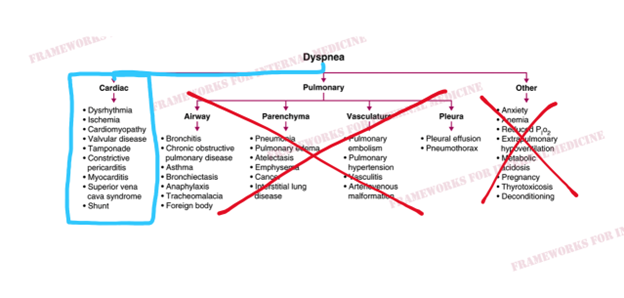
A 70-year-old man presents with dyspnea. What do you notice when you first meet him? This finding should generate a hypothesis, which we will circle back to eventually. Before we do, let’s talk about dyspnea. The two ma
Dysphagia
Rheumatology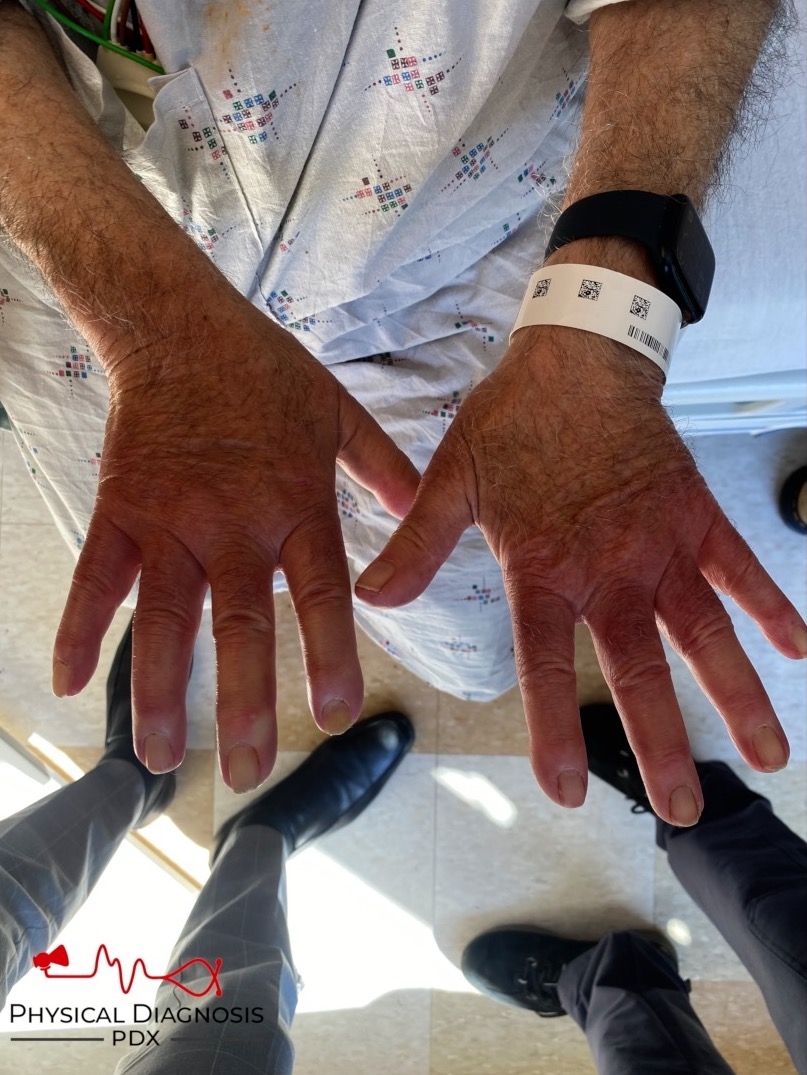
A 76 y/o man presents with swallowing difficulty. So why are we looking at his hands? What’s your approach to dysphagia? The first thing we want to determine is whether dysphagia is oropharyngeal or esophageal. The p
Elevated JVP
Cardiology
I was in the hospital with a group of students when a cardiologist spotted us. “Go see the patient in such and such room, you might like his exam.” So we go in blind. We notice that he’s young (30s). Next, we examine
Weakness
Neurology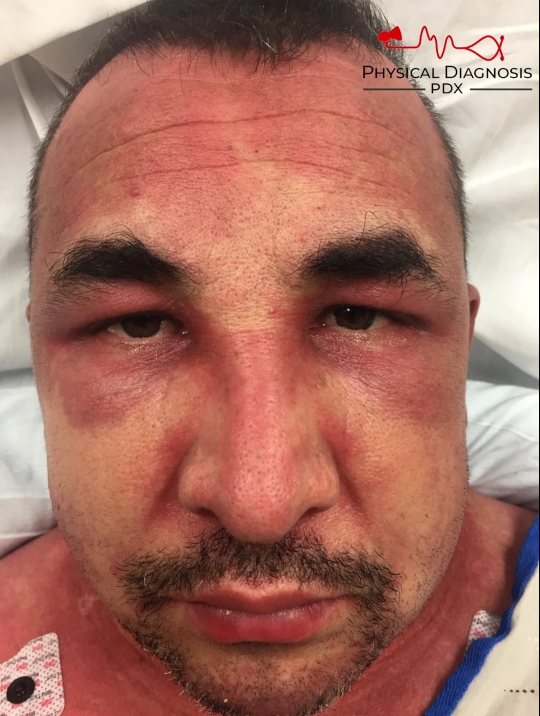
A man presents with weakness. Let’s walk through an approach to this problem. The etiologies of weakness can be subdivided into 4 main categories: What are the signs of an UMN lesion? No (or minimal) muscle atrophy, n
Hyperglycemia
Endocrinology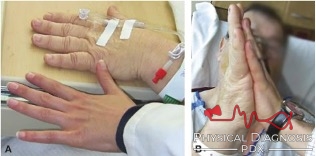
A 33 y/o F with carpal tunnel syndrome presents with polyuria and polydipsia. She has a fasting serum glucose of 212 mg/dL and a hemoglobin a1c of 9.7%. Do you have an approach to hyperglycemia? The first step is to de
Hemiplegia
Neurology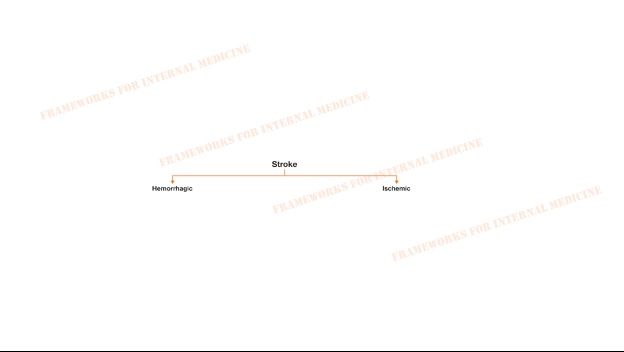
A 50 y/o M presented with L hemiplegia, facial droop, and right gaze preference. So why are we looking at his chest? Let’s start with our approach to stroke. The first question we want to ask is whether it is hemorrhag
Head bobbing
Cardiology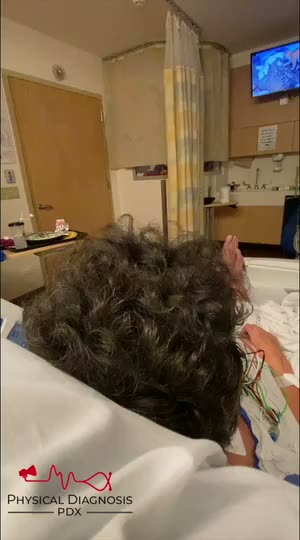
Have you ever made a cardiac diagnosis while standing behind a patient’s head? What do you notice? Here’s another angle. If you looked more closely at his neck, you might see this (from a different patient with the same
Hyponatremia
Endocrinology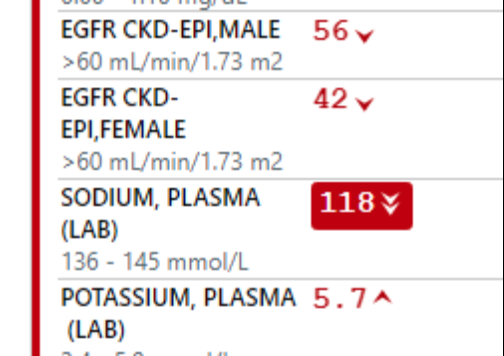
A 60 y/o woman presents with subacute, progressive, severe hyponatremia (Na 118). Let’s walk through an approach to this common problem. First we confirm we are dealing with hypotonic hyponatremia. This begins to na
Cirrhosis with a murmur
Gastroenterology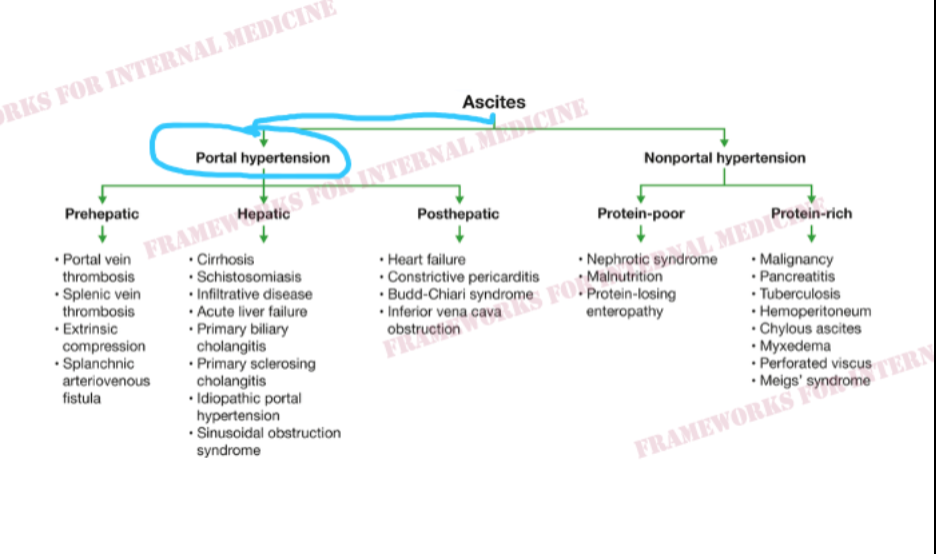
A middle-aged woman with a year-long history of Laennec’s cirrhosis (EtOH-related) comes under your care. Sure enough she has signs of liver disease on exam. What else do you notice in the above video? The EJ is engor
Recurrent ground-level falls
Neurology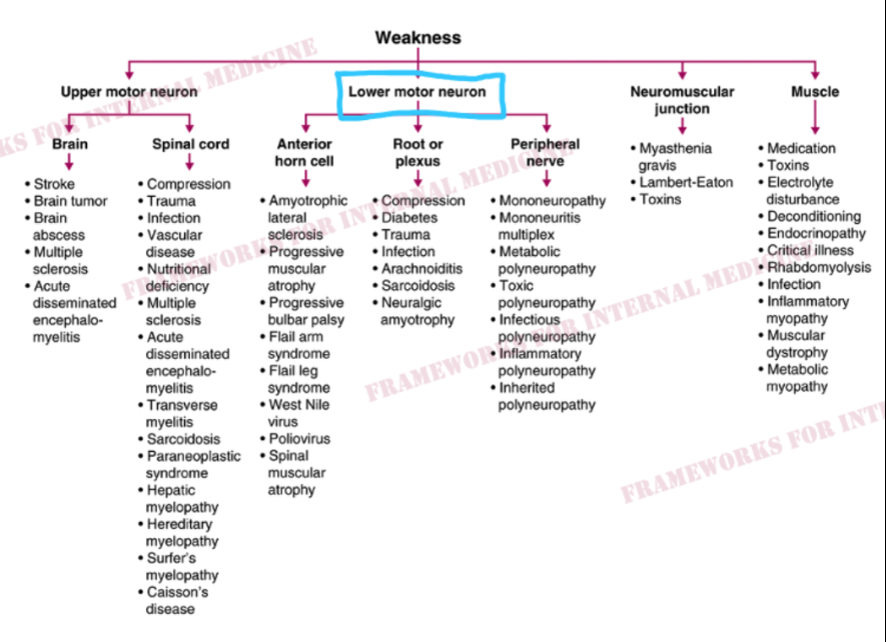
A 72 year-old man presents to the clinic for recurring ground-level falls. There are no accompanying medical records. We start by evaluating his gait. What finding is present? Additional exam confirms our suspicion. Our
Polyuria and Polydipsia
Endocrinology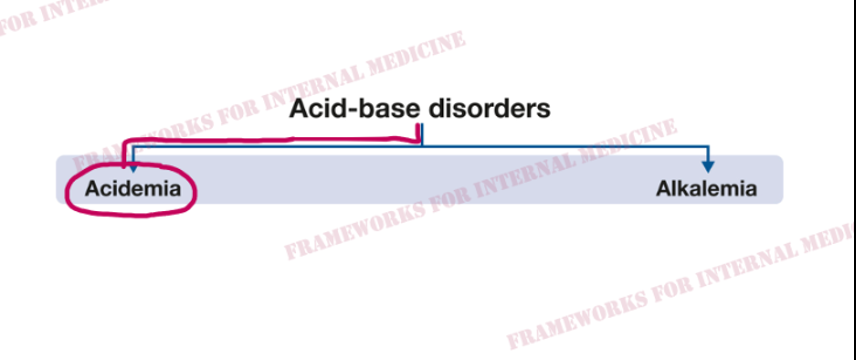
18 M presents with polyuria, polydipsia, abdominal pain, and intense vomiting. RR is 28 breaths per minute. ABG: pH is 7.29, PaCO2 is 26 mm Hg, HCO3− is 12. What acid/base disturbance(s) is present and what is the unde
Hematuria
Nephrology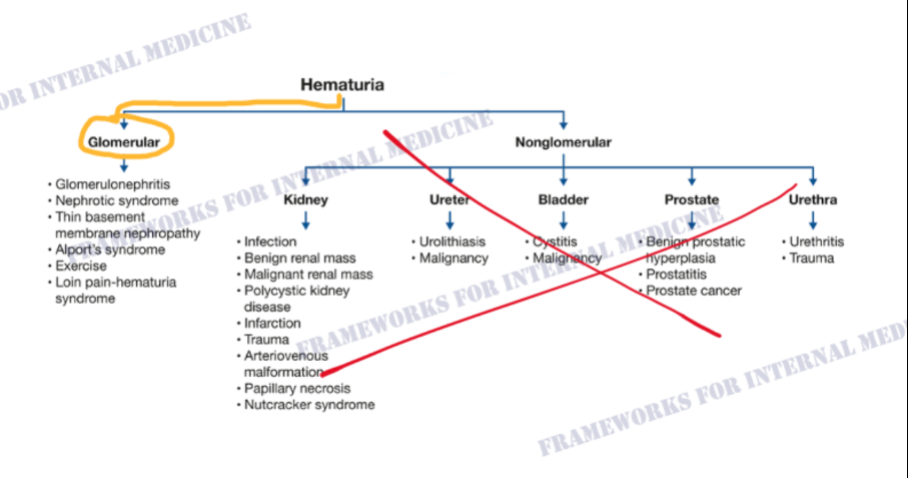
A young man presents with hematuria and is found to have these painful skin lesions on physical exam. In a patient with hematuria, the first question I always ask is: what is the source of that blood? Is it glomerular or
Tea-Colored Urine
Nephrology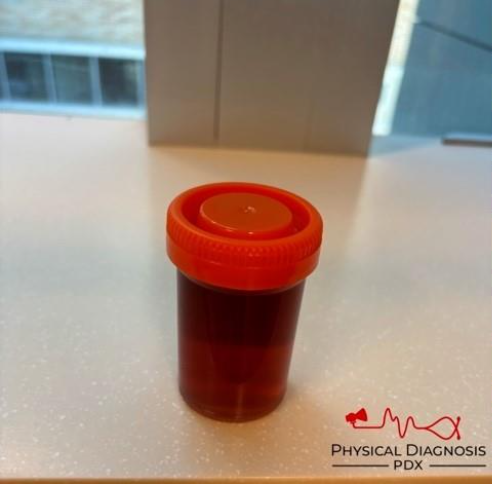
A 30 year old man presents with tea-colored urine. Our instinct is to consult the framework for hematuria: Then we realize that while the color of the urine could absolutely be consistent with hematuria, there are mim
Epiglottitis, Pancreatitis, AKI
Nephrology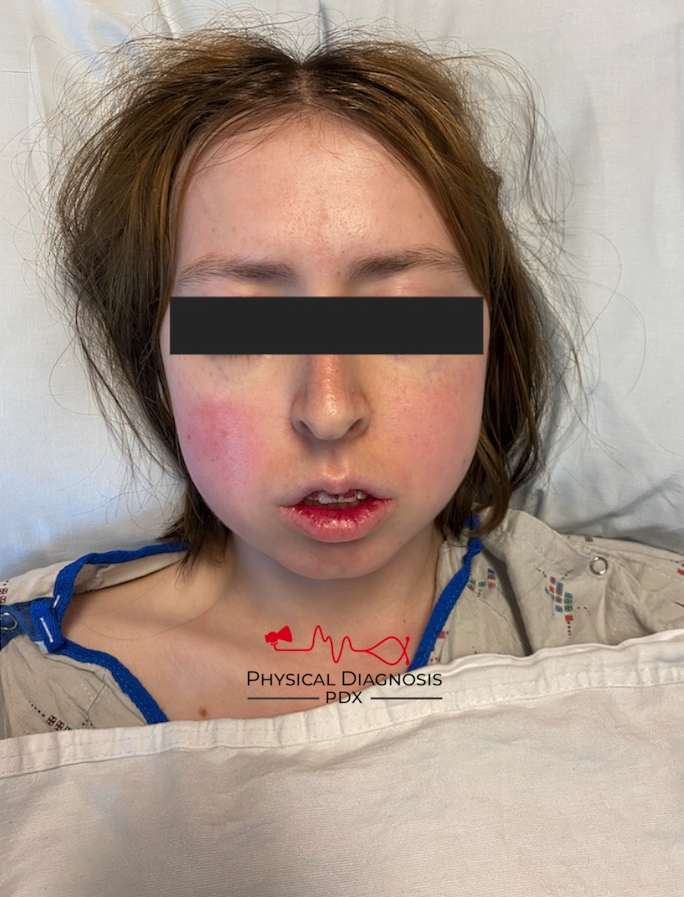
A young woman is admitted with acute epiglottitis (w H flu bacteremia). While hospitalized she develops acute pancreatitis and hematuria with AKI. A confusing constellation of problems. How can we glue this story toget
Ejection Click and Ptosis
Cardiology
A 54-year-old man admitted for alcohol withdrawal was noted to have subtle but critical physical findings. Other than nausea, he had no complaints. Examination revealed left-sided ptosis that worsened after sustained upw
Undifferentiated Heart Failure
Cardiology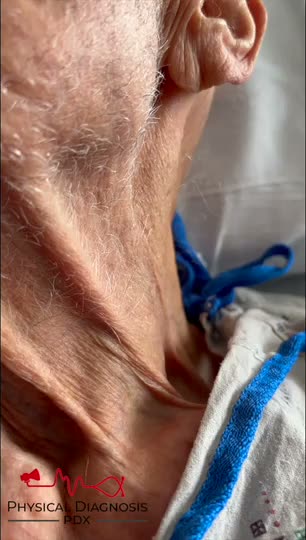
An older man presents with the clinical syndrome of heart failure (weight gain, orthopnea, elevated JVP, etc.) Here is a video of his neck in the upright position: Echo shows normal EF with severe concentric hypertrophy