Neurology
Mental status, cranial nerves, motor, gait, and localization. 19 findings
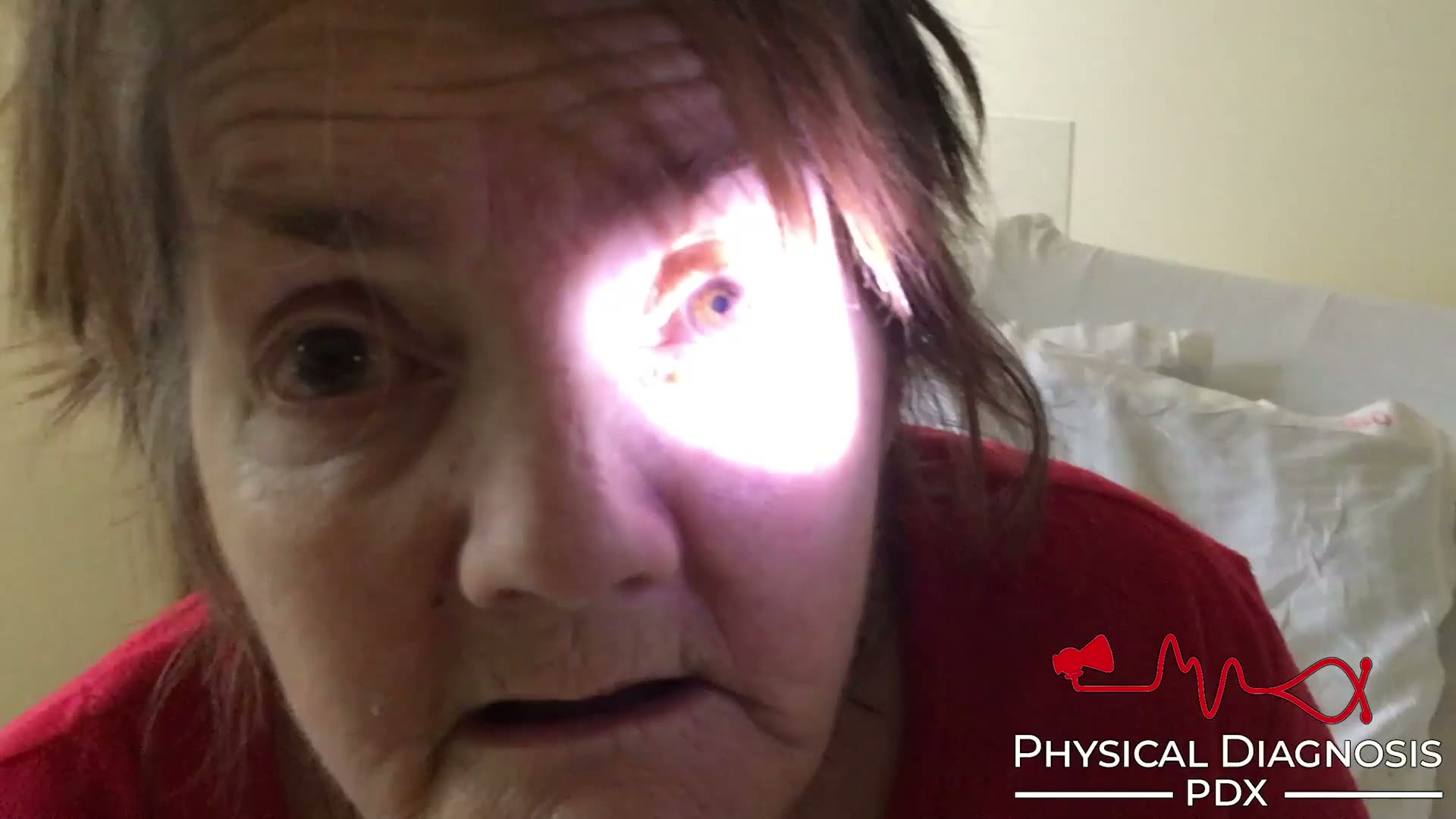
Afferent Pupillary Defect
1 patients · 1 clips
This is the most common pupil defect, characterized by asymmetric pupillary constriction to light, but these pupils are equal (no anisocoria). Main etiology is optic neuritis, but other diseases of the optic nerve or ret
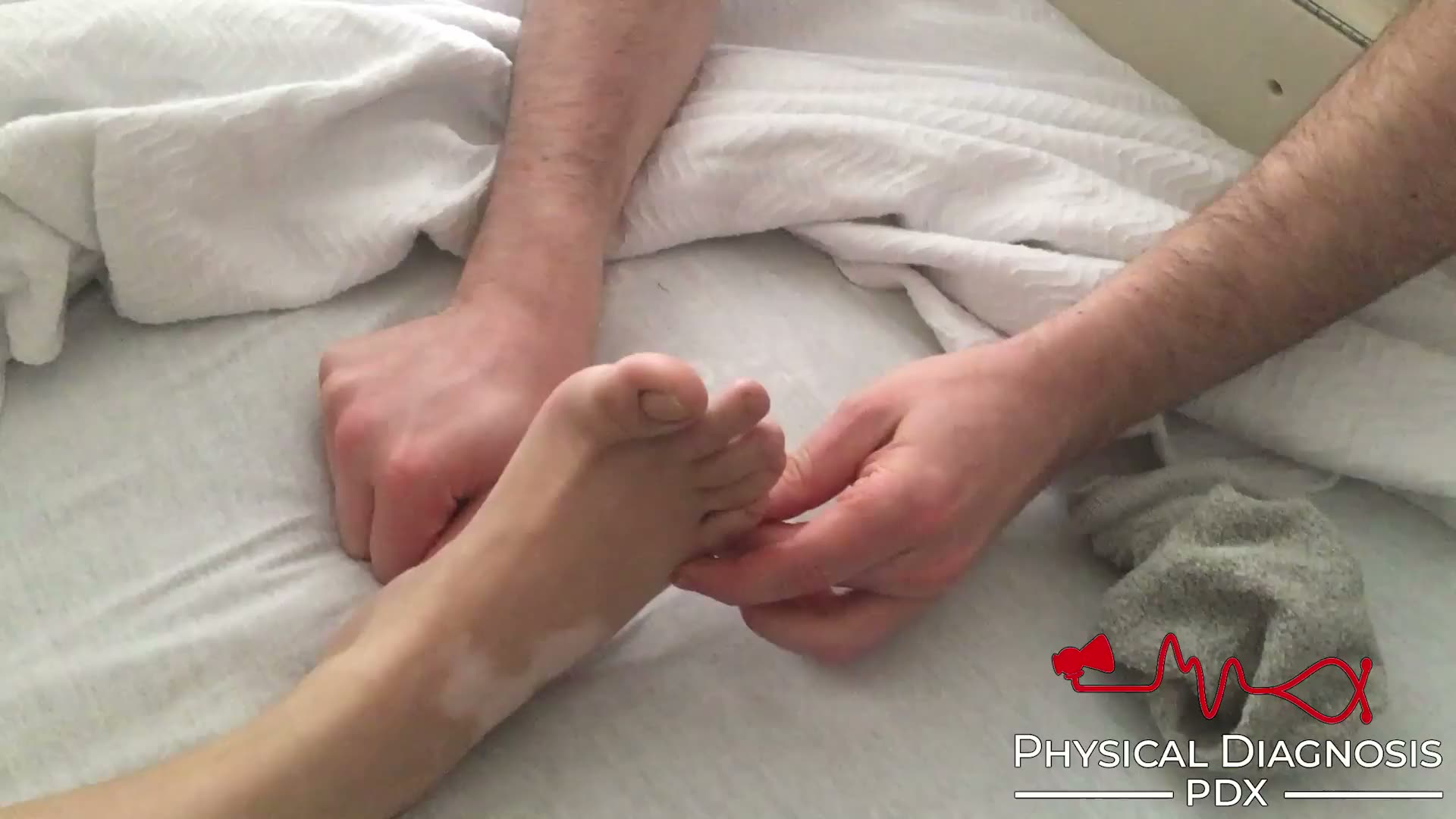
Babinski’s reflex
1 patients · 1 clips
- An assessment for upper motor neuron disease. - Before performing this exam, which can feel noxious, explain to the patient what you are doing and why – it may be helpful to demonstrate it in their hand. - Stroke the *
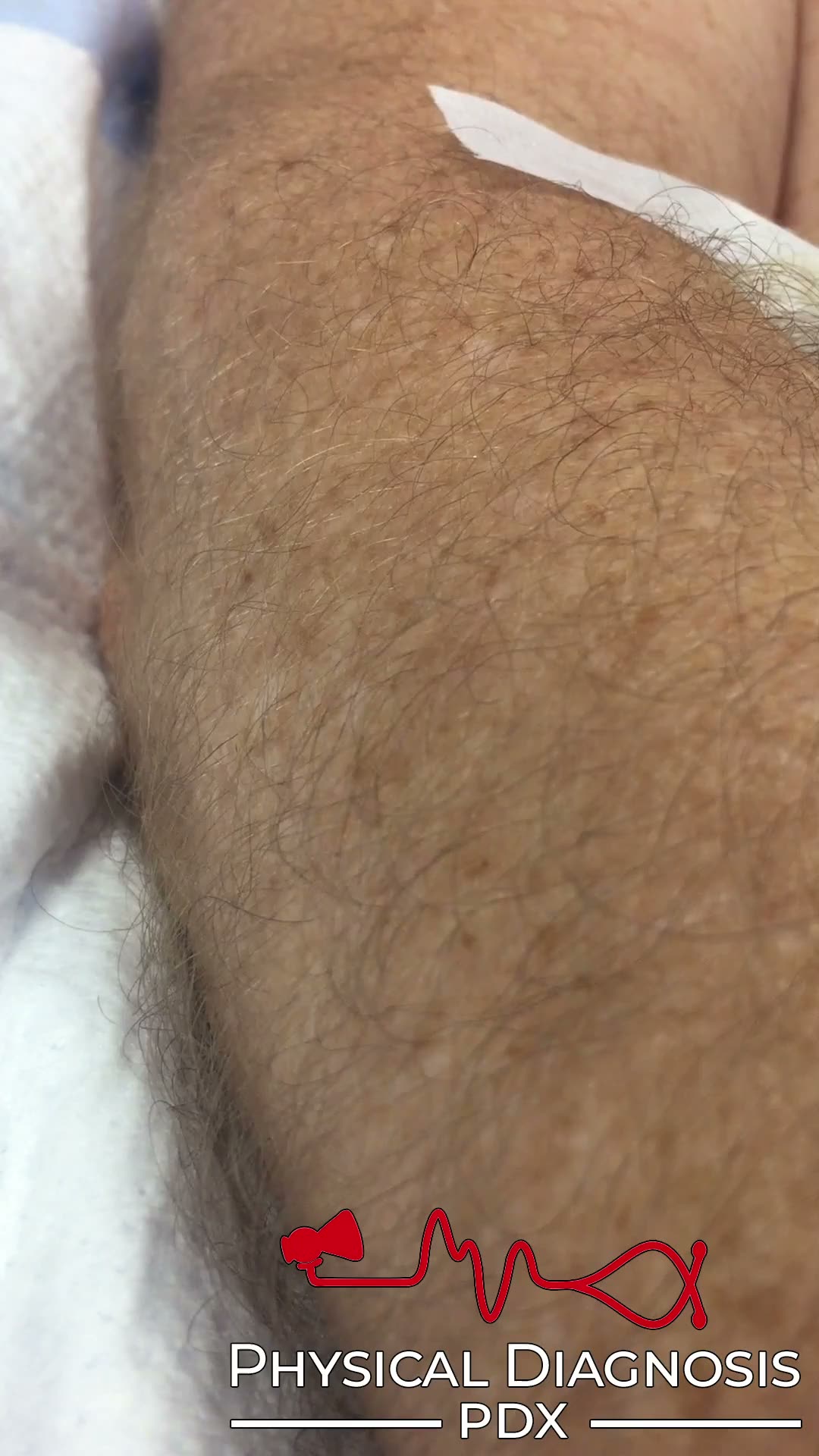
Fasciculations
1 patients · 1 clips
- These are subtle, subcutaneous movements that represent contractions of a motor unit, seen in LMN disease (especially those involving anterior horn cells), but can be entirely benign. - In LMN lesions they are thought
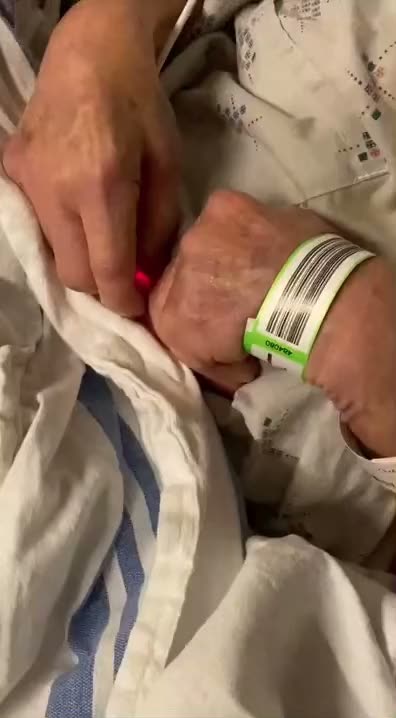
Pill-rolling tremor
1 patients · 1 clips
Patient 1:
Clonus
2 patients · 2 clips
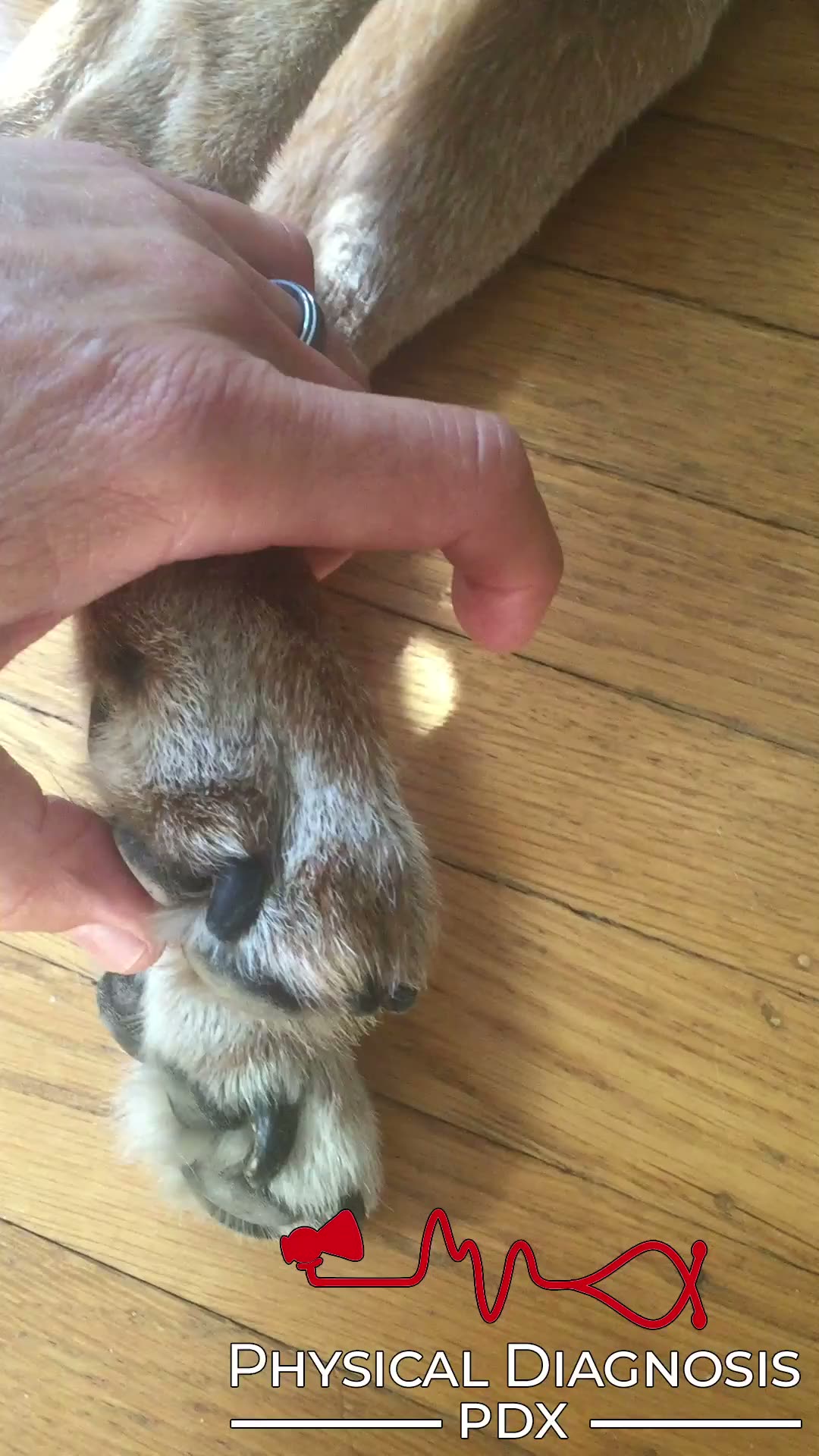
Clonus is the repeating contraction of a stretched muscle. Normally, if a muscle is stretched rapidly, it will contract, which then puts a stretch on the antagonistic muscle, which contracts. For example, rapidly dorsifl
Horner’s Syndrome
3 patients · 3 clips
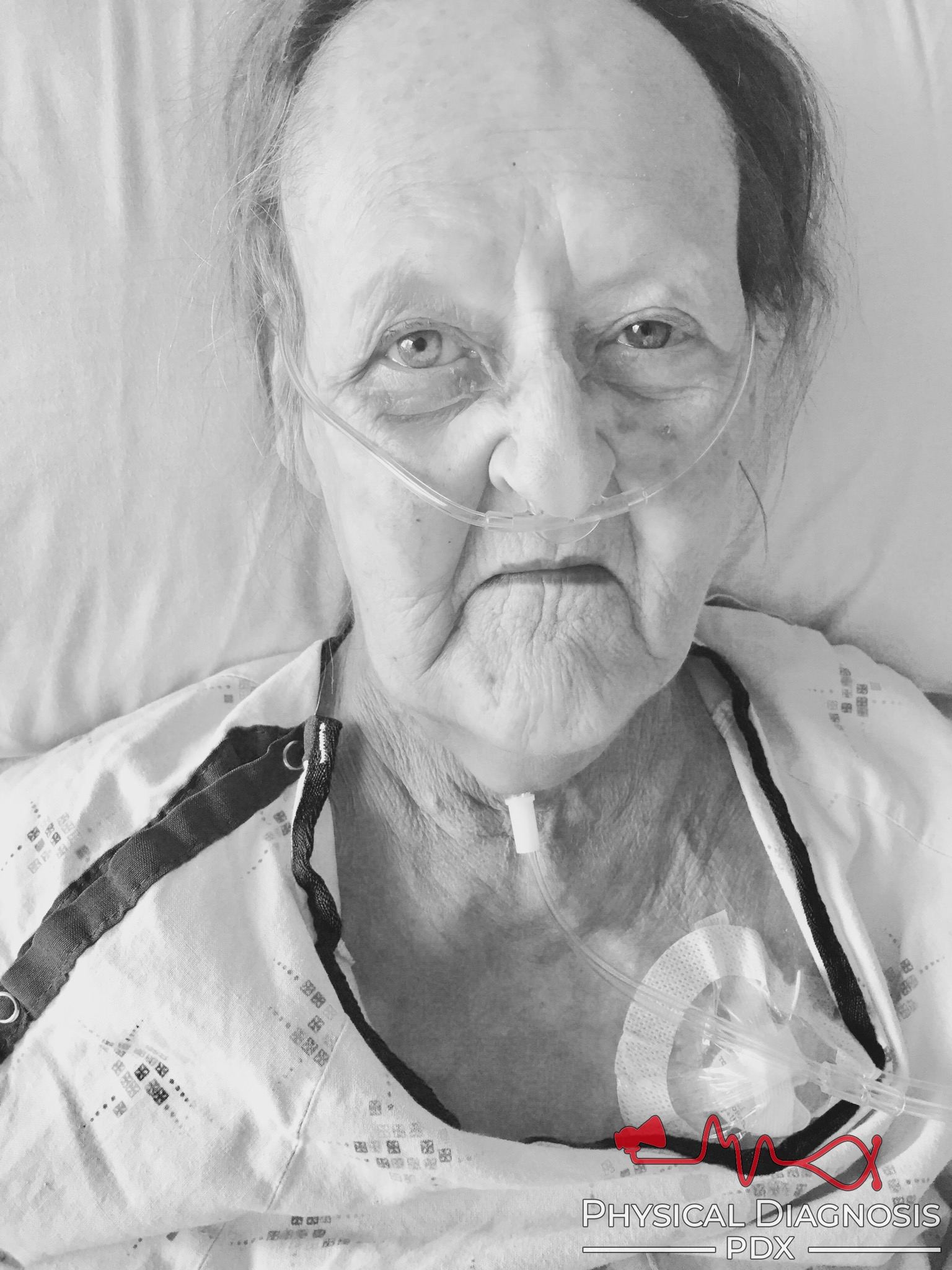
Characterized by the triad of ptosis, miosis, and anhidrosis. Patient 1: This is an older man who presented with increasing dyspnea and was found to have a right apical mass complicated by superior vena cava syndrome and
Parkinson’s Disease
1 patients · 2 clips
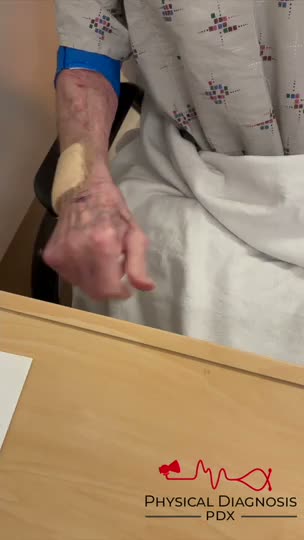
Patient 1: This is an older man with Parkinson’s disease. Note the low frequency tremor that dissipates with action, as well as the festinating gait (slow to start), and masked facies. Festinating Gait Pill-Rolling Tremo
Spastic Gait
1 patients · 1 clips
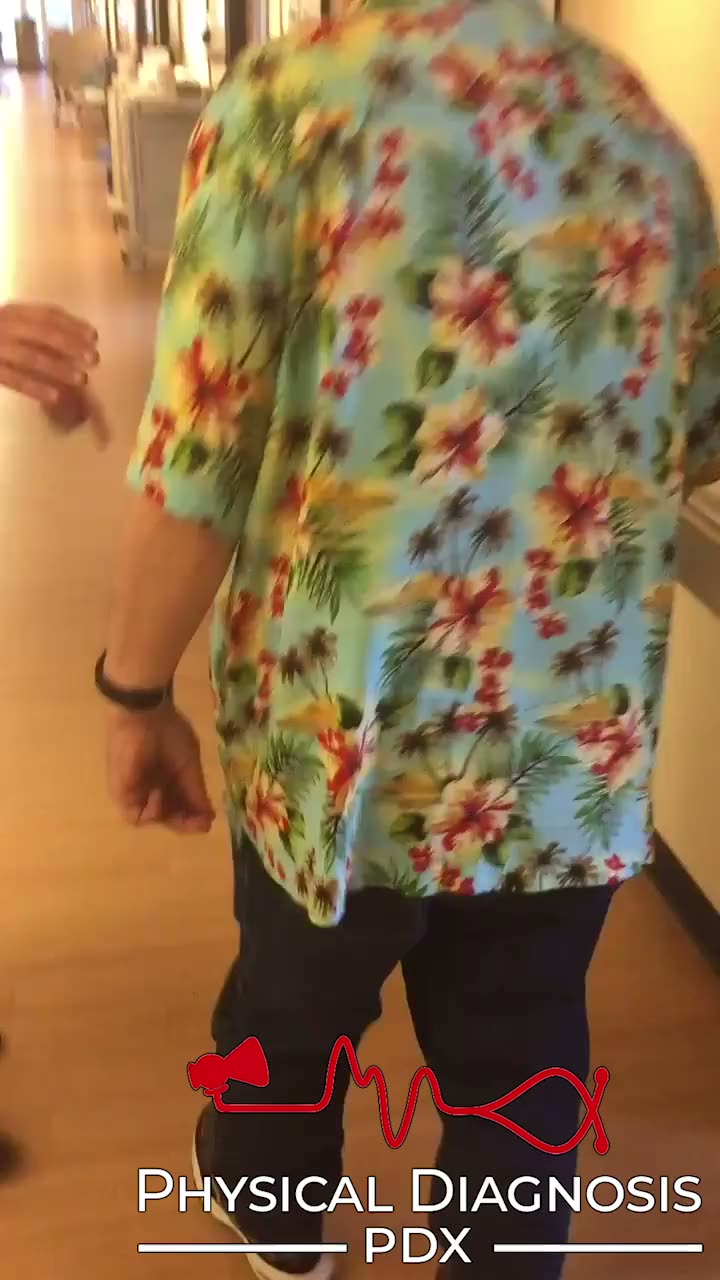
Neurology tutorial Patient 1: This is an older man who presented with progressive paresthesias of the hands and difficulty walking. He was diagnosed with severe cervical myelopathy from degenerative joint disease. This p
Wernicke’s Encephalopathy
4 patients · 6 clips
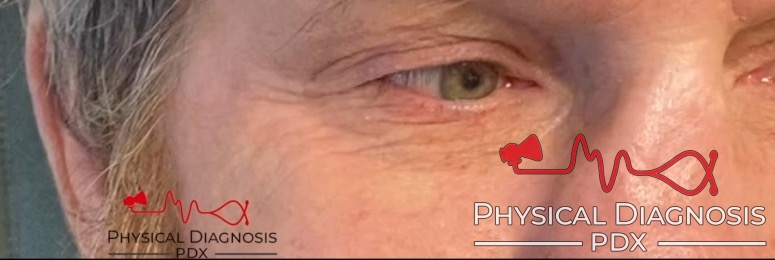
Thiamine deficiency associated with chronic alcohol abuse and malnutrition. Characterized by confusion, ataxia, nystagmus, and ophthalmoplegia. Patient 1: This is a middle-aged man with heavy alcohol use who was admitted
Hoffman’s Sign
1 patients · 1 clips
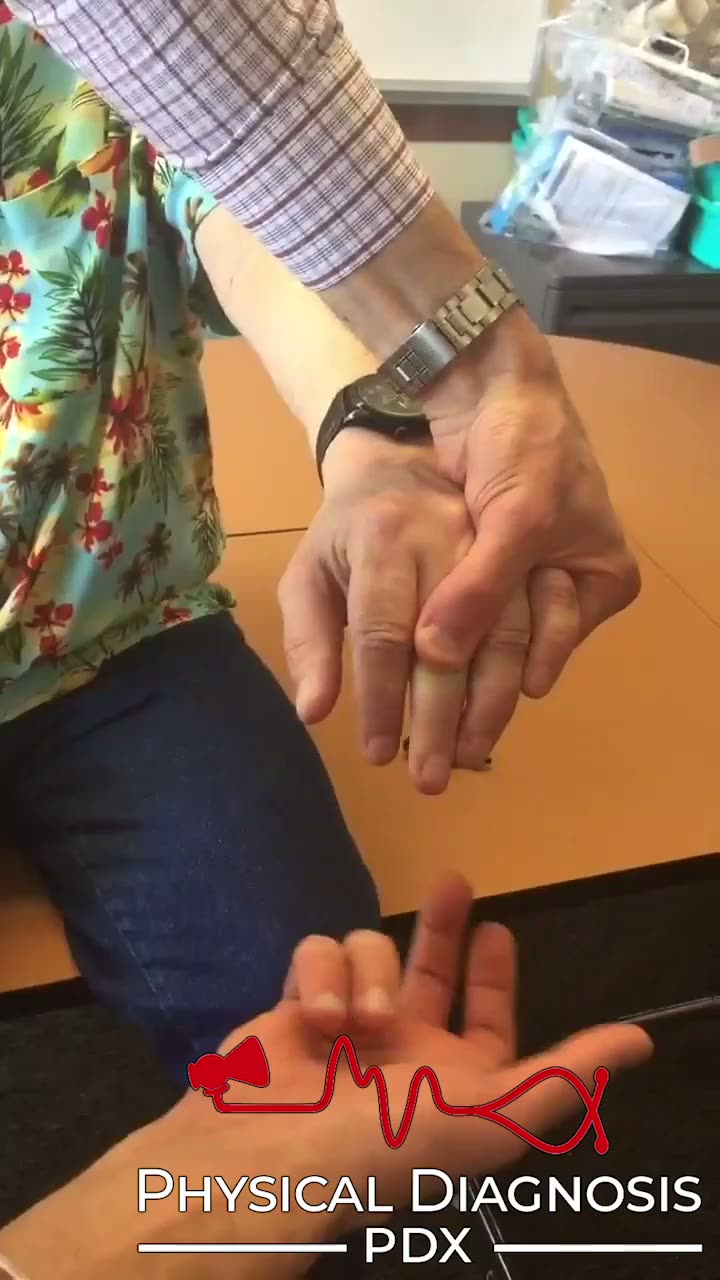
Nail of middle finger is flicked downward, flexing the finger, causing it to rebound into extension; if their thumb and index finger flexes the Hoffman’s sign is present, suggesting UMN disease. Neurology tutorial Patien
Opthalmoplegia
2 patients · 3 clips
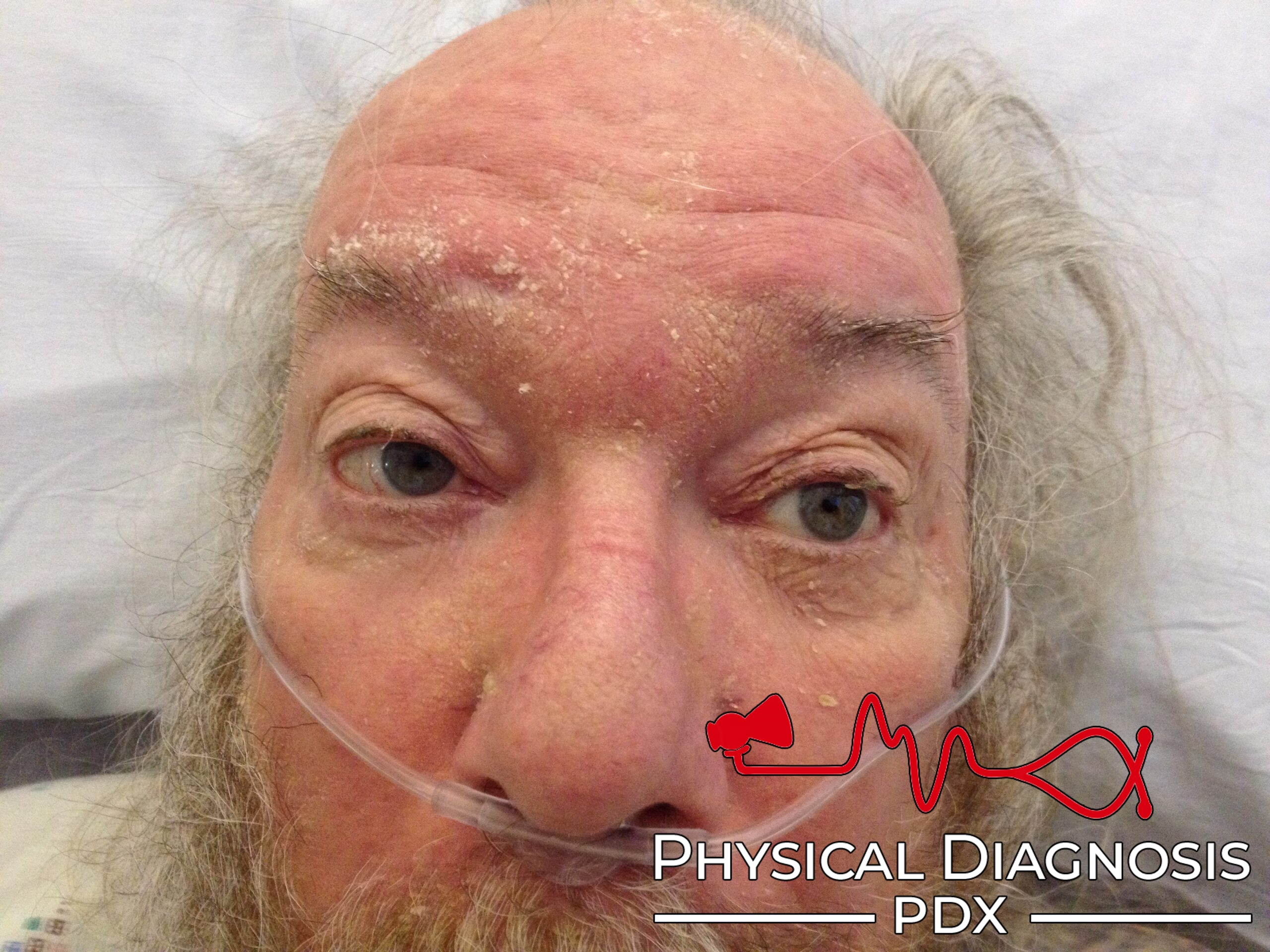
Weakness or paralysis of the muscles of the eye. Neurology tutorial Patient 1: This is a young woman who presented with right eye pain, tearing, and diplopia after sustaining trauma to the eye. She was found to have acut
Steppage Gait
1 patients · 2 clips
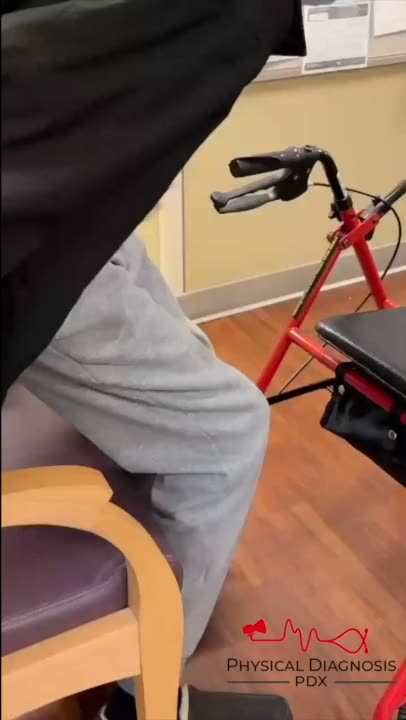
Steppage gait results from the inability to lift the foot due to weakened dorsiflexion – Surgery is a common mechanism of damage or compression of the neuraxis (in this case sciatic nerve injury) that can lead to foot d
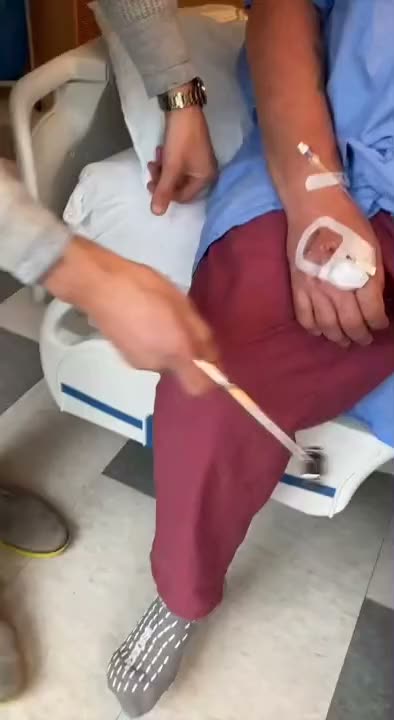
Hyperreflexia
5 patients · 7 clips
- Hyperreflexia is a classic sign of UMN disease but can be seen in other conditions such as thyrotoxicosis. - Hyperreflexia in one limb or in lower but not upper extremities can help localize lesions. Neurology tutoria
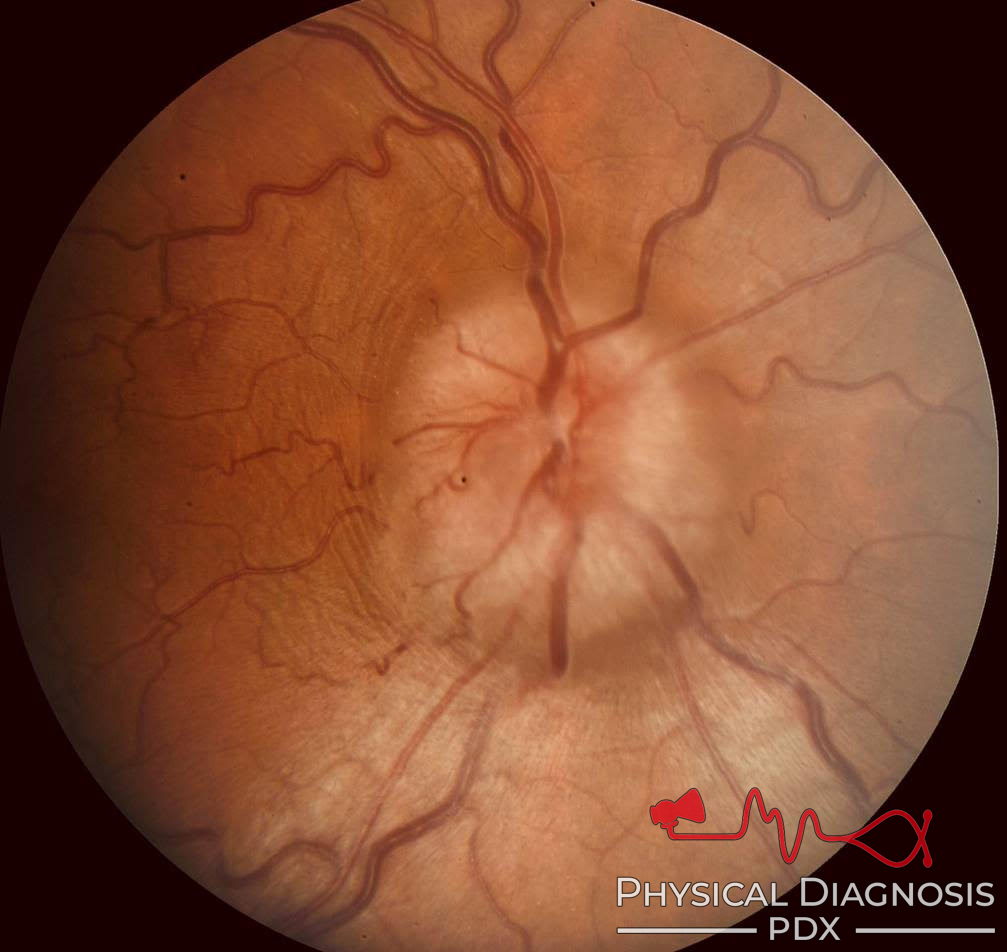
Papilledema
1 patients · 1 clips
Papilledema is a serious medical condition where the optic nerve at the back of the eye becomes swollen. Symptoms can include visual disturbances, headaches, and nausea. Papilledema occurs when there is a buildup of pres
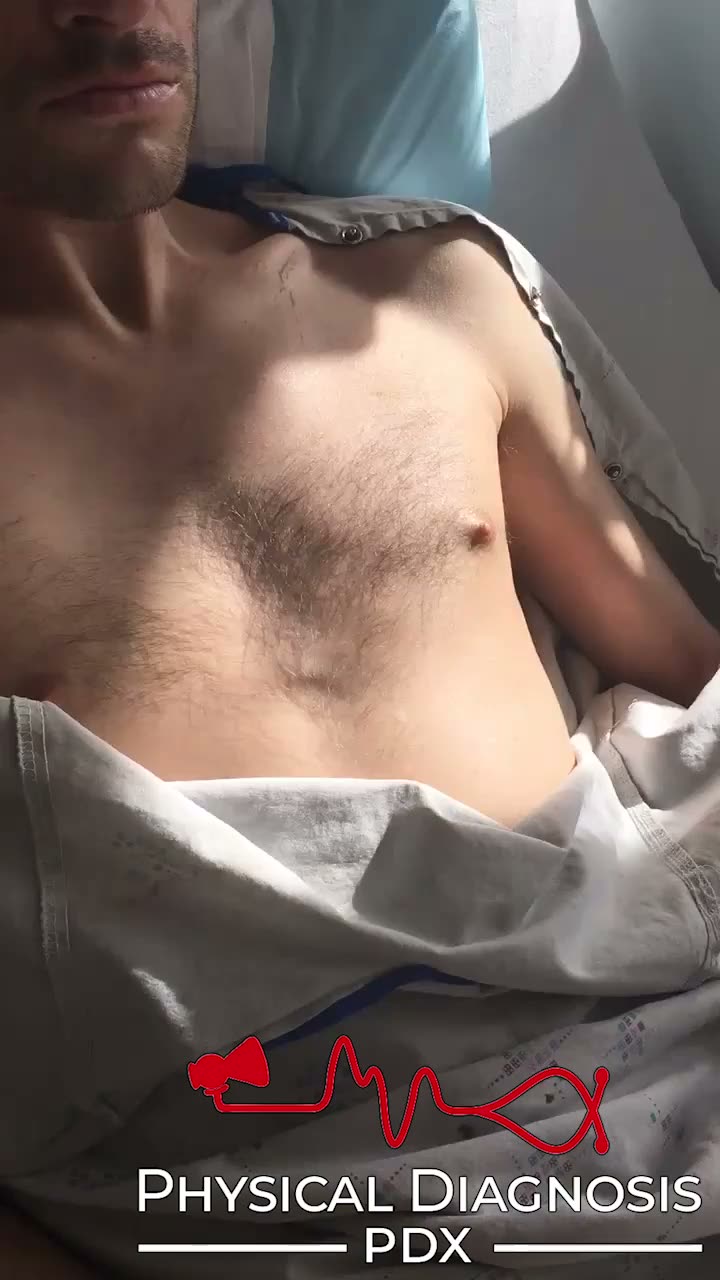
Myokymia
1 patients · 1 clips
- Myokymia is the state of nearly continuous fasciculations causing a rippling appearance, associated with demyelinating diseases such as Guillain-Barre and MS. Neurology tutorial Patient 1: This is a young man with intr
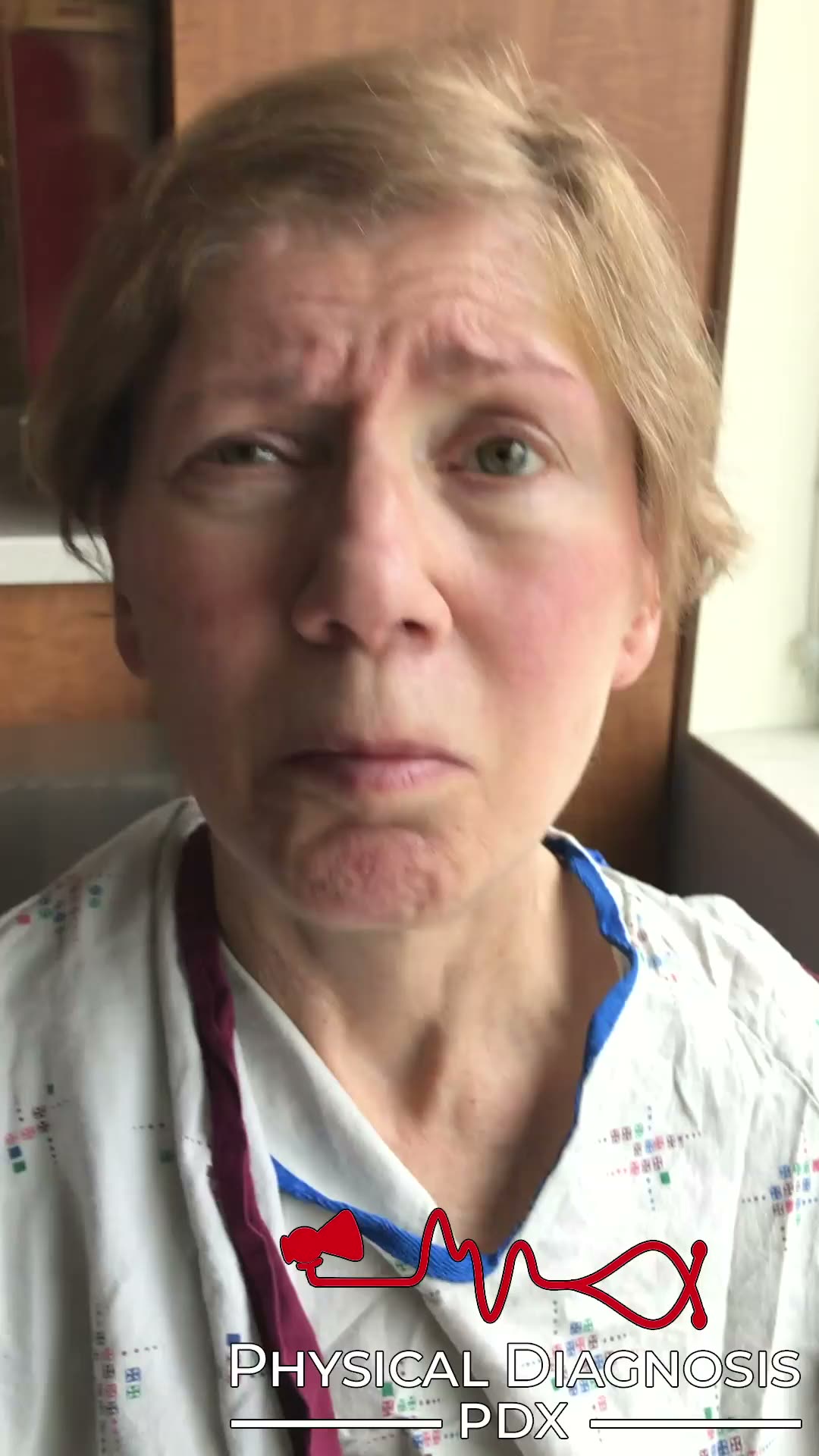
Supranuclear Palsy
1 patients · 1 clips
Pulmonology Tutorial Patient 1: This is an older woman with progressive supra nuclear palsy with vertical gaze palsy but preserved vestibulo-ocular reflex. This patient also has abnormal smooth pursuit and saccadic move
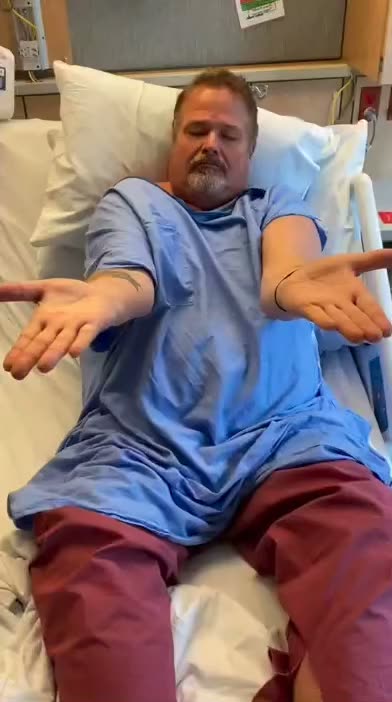
Pronator Drift
1 patients · 2 clips
Card Tutorial Patient 1: This is a middle-aged man with cervical myelopathy from severe cervical stenosis.
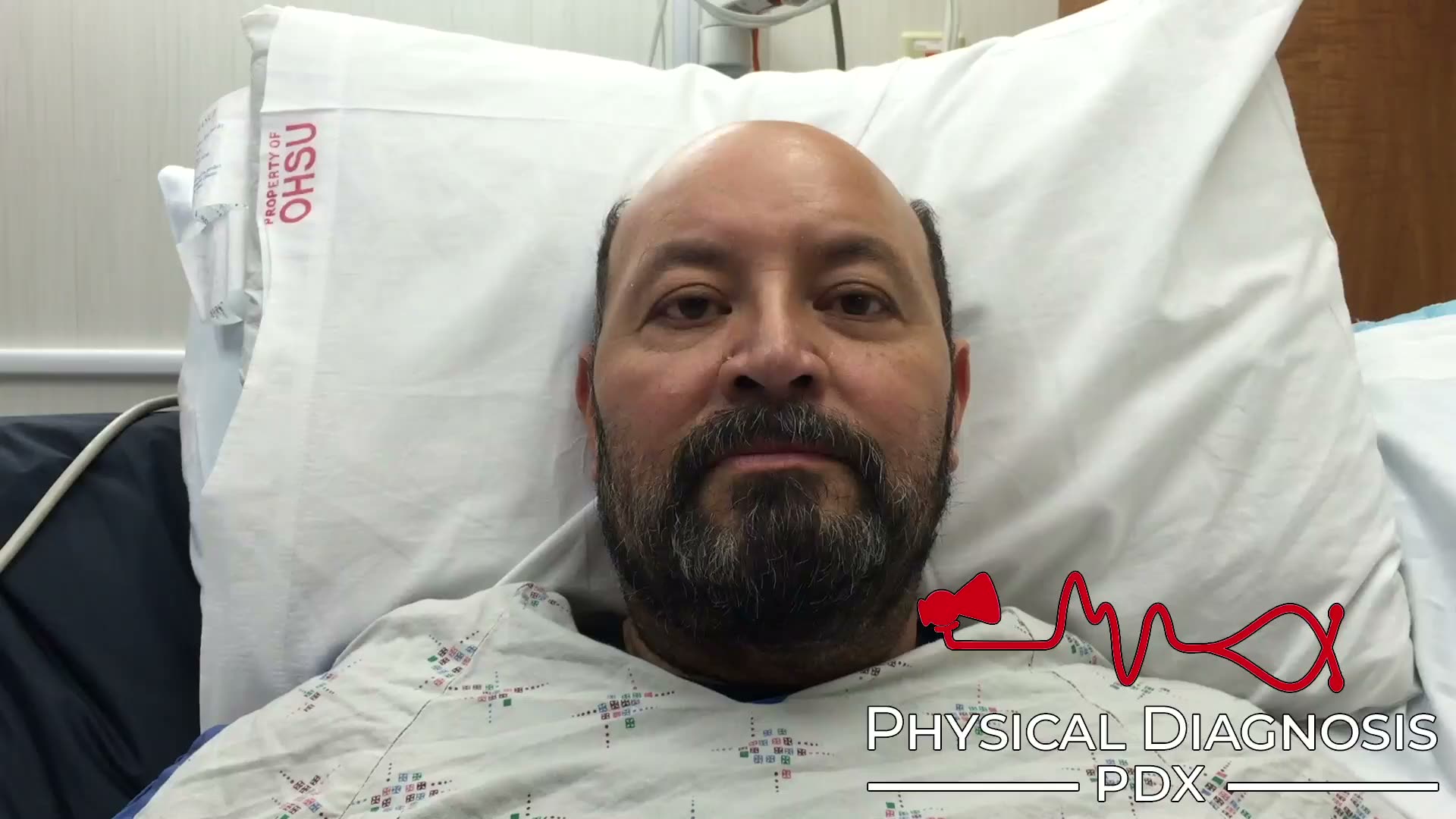
Synkinesis
2 patients · 2 clips
- Synkinesis describes the involuntary movement of a muscle that occurs with the voluntary movement of a different muscle. It is thought to develop primarily as a result of aberrant regeneration of nerve fibers after tra
Upper Motor Neuron
Rules for localization of weakness Upper motor neuron - Includes nervous tissue from the cortex down to (but not including) the anterior horn cells. - Increased tone, especially in the UE flexors and LE extensors. - Hype