Physical Diagnosis PDX
Library
Cardiology Atlas Tutorial
Neurology Atlas Tutorial
Rheumatology Atlas Tutorial
Endocrinology Atlas Tutorial
Gastroenterology Atlas Tutorial
Pulmonology Atlas Tutorial
Infectious Disease Atlas Tutorial
Hematology-Oncology Atlas Tutorial
Nephrology Atlas Tutorial
Nails Atlas Tutorial
Hereditary Atlas Tutorial
Miscellaneous Atlas Tutorial
Cases Lectures Quizzes About
Library

Cardiology

Atlas Tutorial

Neurology

Atlas Tutorial

Rheumatology

Atlas Tutorial

Endocrinology

Atlas Tutorial

Gastroenterology

Atlas Tutorial

Pulmonology

Atlas Tutorial

Infectious Disease

Atlas Tutorial

Hematology-Oncology

Atlas Tutorial

Nephrology

Atlas Tutorial

Nails

Atlas Tutorial

Hereditary

Atlas Tutorial

Miscellaneous

Atlas Tutorial
Cases Lectures Quizzes About
  1. Home
  2. Cardiology
  3. Tumor Plop

vimeo-463365204--TumorPlop_3.mp4

File is not under priv/media.
Patient 1
Clip 1 Clip 2 Clip 3 Clip 4 Clip 5
Annotated Compare
Previous clip Next clip
Cardiology Heart Sounds

Tumor Plop

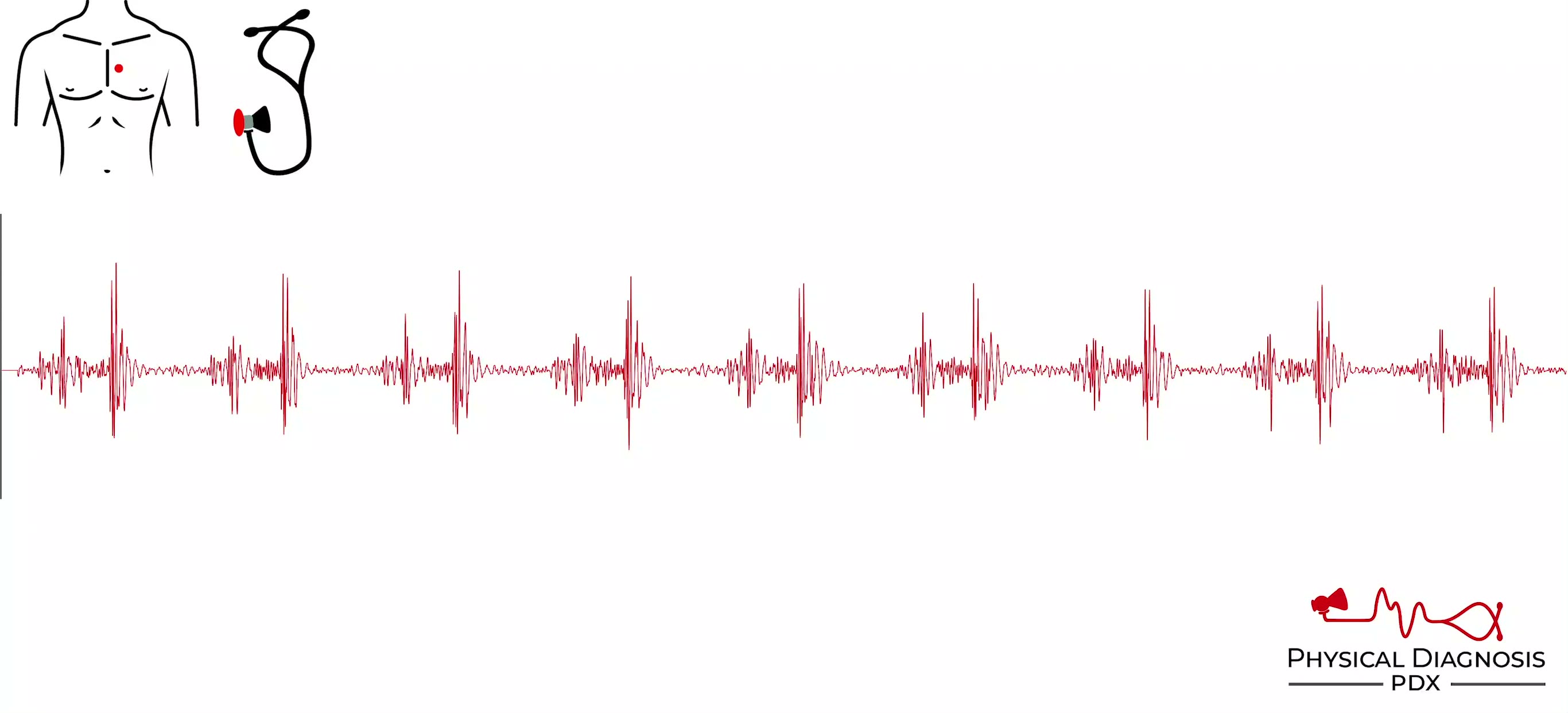
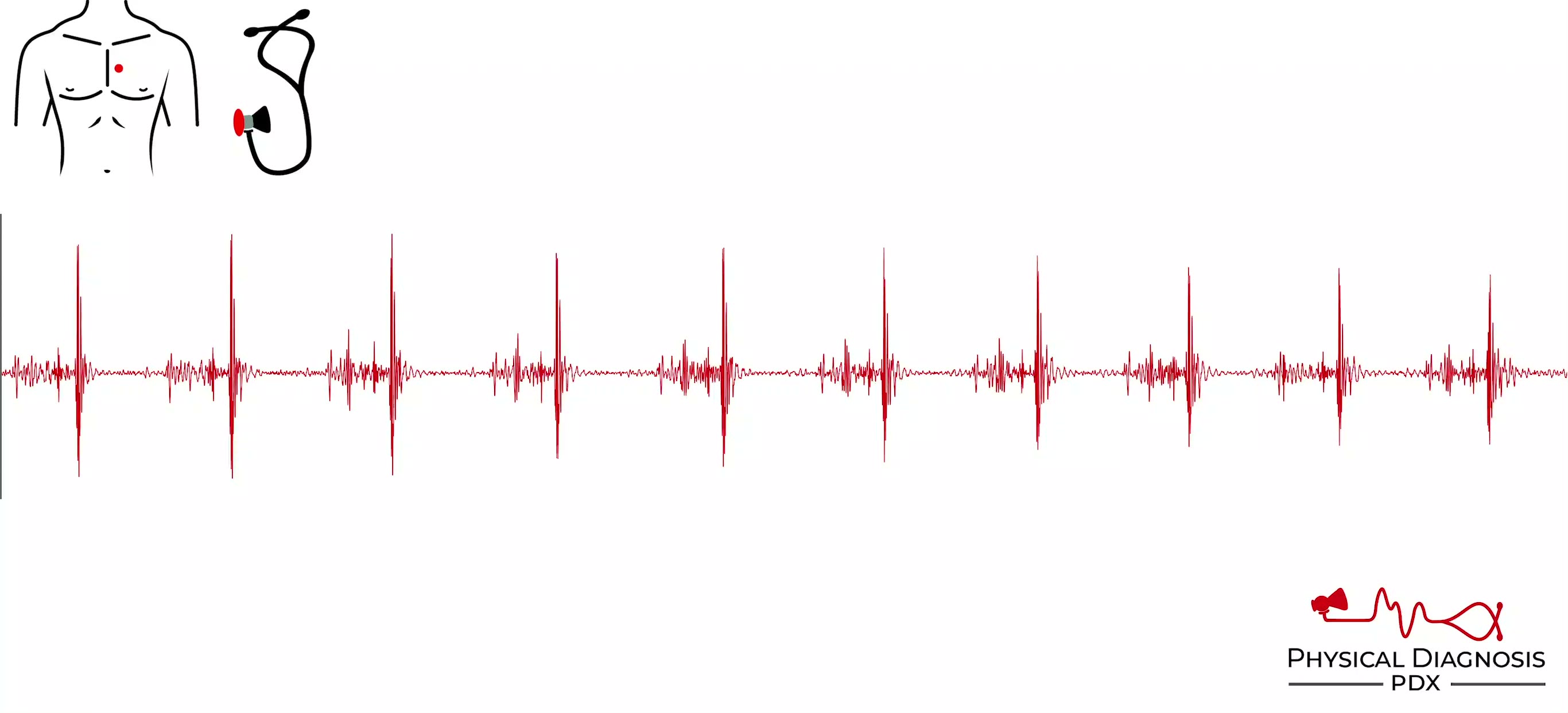
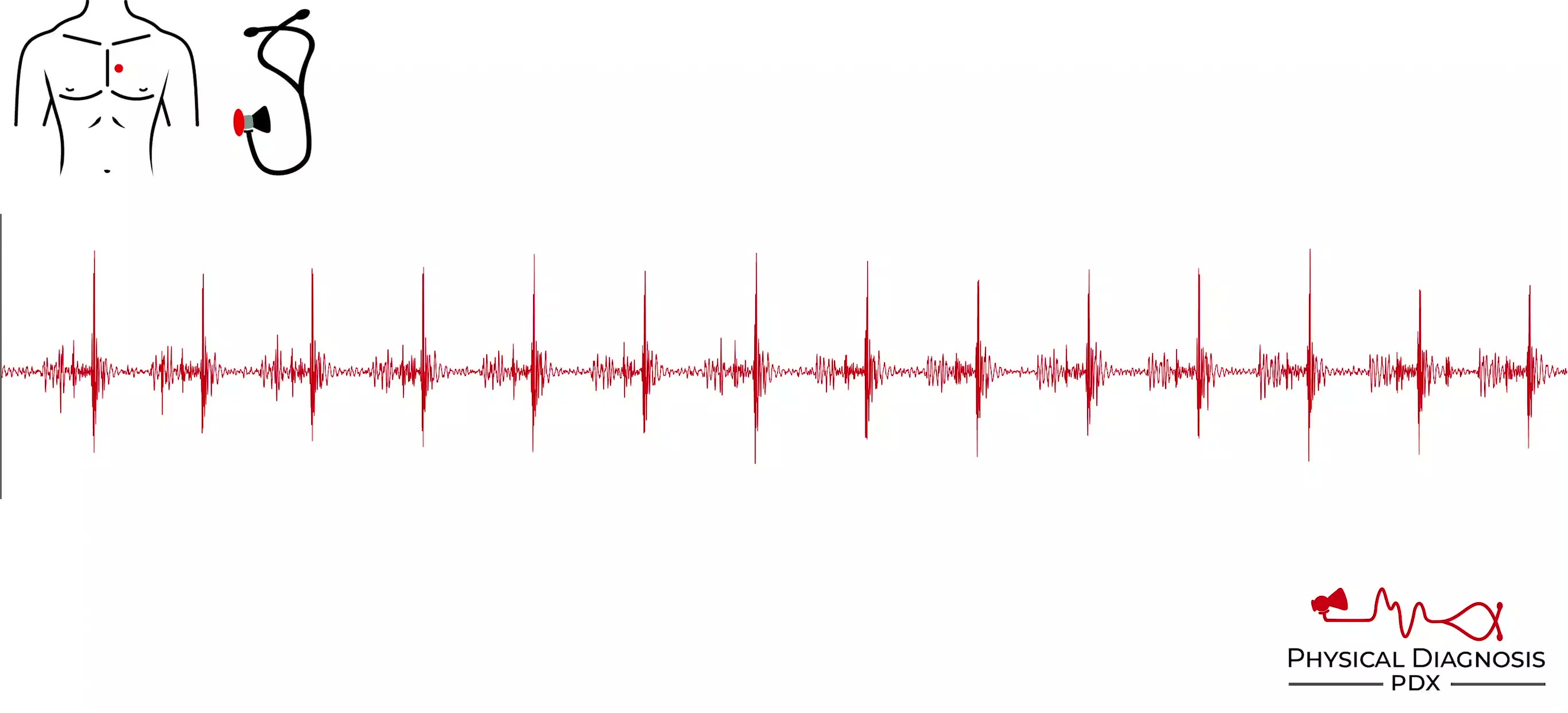
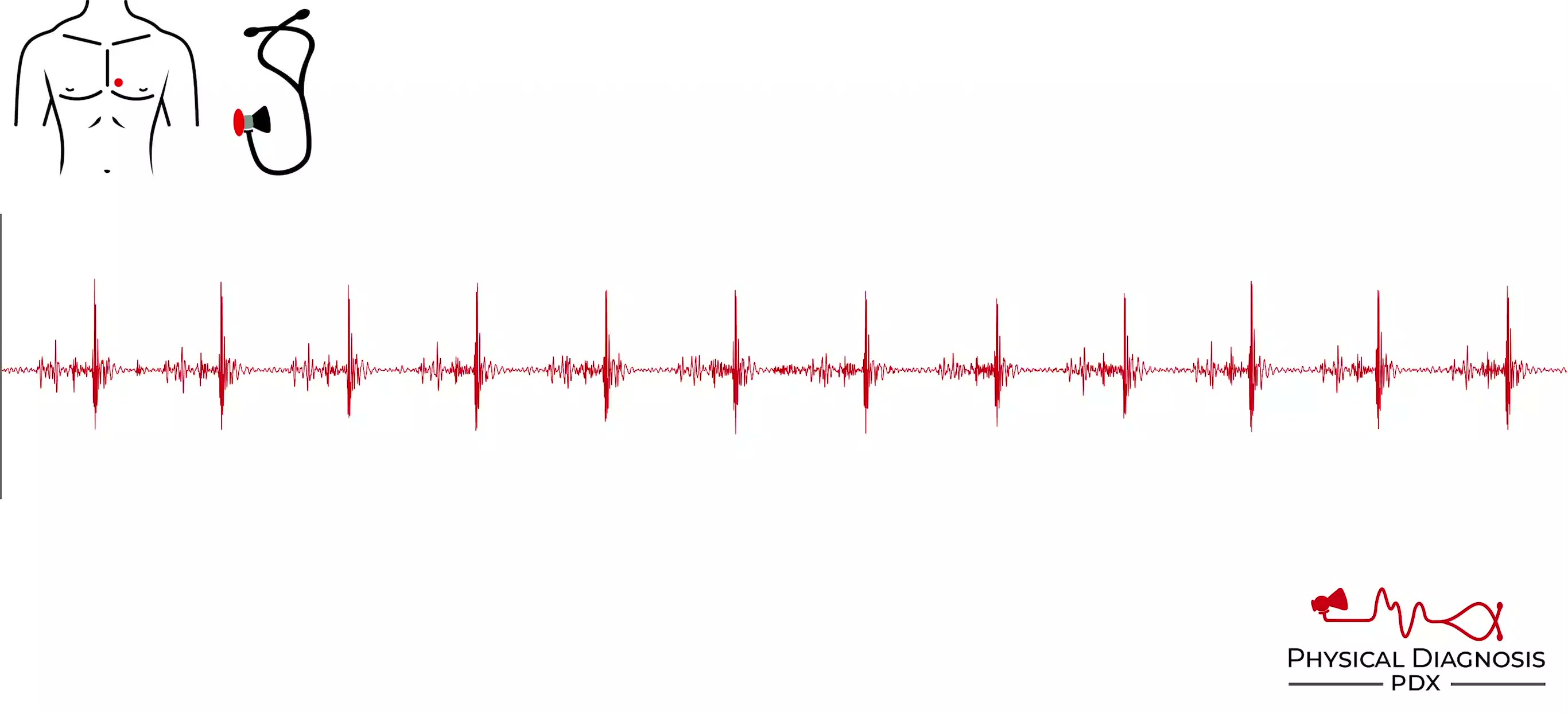
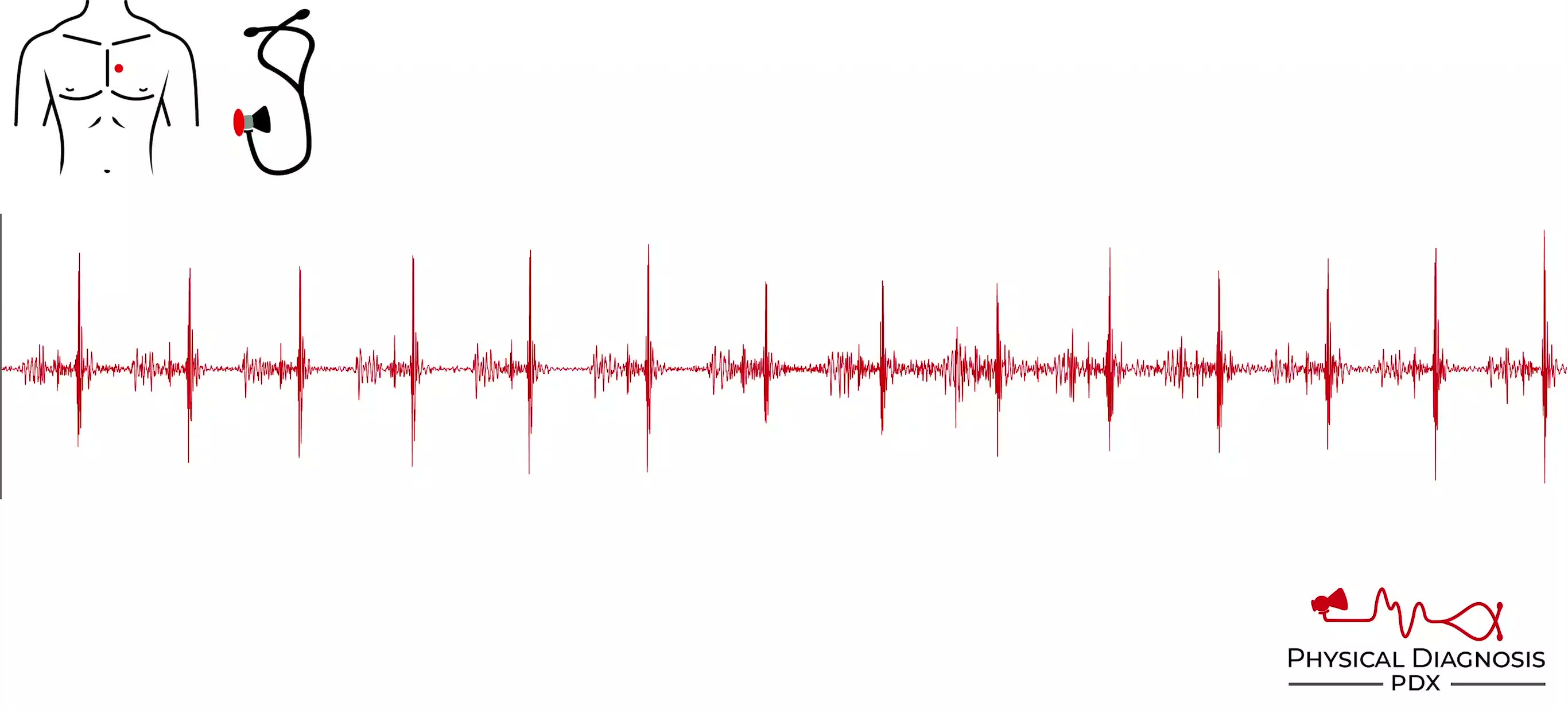
The tumor plop is a high-pitched sound best heard with the diaphragm of the stethoscope. The classic tumor plop originates from an atrial tumor obstructing the mitral orifice, resulting in an early diastolic sound from either 1) tumor tensing, 2) valve obstruction, or 3) tumor impact against the chamber walls. It is often confused for an opening snap. Depending on the anatomic location of the tumor, the tumor plop can sometimes be heard in systole rather than early diastole.
Card Tutorial

Patient 1

This young man was admitted to the hospital for pain related to metastatic sarcoma. There are three discrete sounds before S2. One of those sounds is S1. The other two sounds are “tumor plops”. Echocardiography showed a lobulated mass in the interventricular septum projecting into the submitral apparatus, measuring 4.3 x 4.4 cm at greatest dimension.

Tumor Plop

Annotated

Tumor Plop

Annotated

Tumor Plop

Annotated

Tumor Plop

Annotated

Tumor Plop

Annotated

Summation Gallop Opening Snap

Teaching physical diagnosis through a library of real clinical findings.

  • About
  • Resources
  • Privacy
  • Acknowledgments