Physical Diagnosis PDX
Library
Cardiology Atlas Tutorial
Neurology Atlas Tutorial
Rheumatology Atlas Tutorial
Endocrinology Atlas Tutorial
Gastroenterology Atlas Tutorial
Pulmonology Atlas Tutorial
Infectious Disease Atlas Tutorial
Hematology-Oncology Atlas Tutorial
Nephrology Atlas Tutorial
Nails Atlas Tutorial
Hereditary Atlas Tutorial
Miscellaneous Atlas Tutorial
Cases Lectures Quizzes About
Library

Cardiology

Atlas Tutorial

Neurology

Atlas Tutorial

Rheumatology

Atlas Tutorial

Endocrinology

Atlas Tutorial

Gastroenterology

Atlas Tutorial

Pulmonology

Atlas Tutorial

Infectious Disease

Atlas Tutorial

Hematology-Oncology

Atlas Tutorial

Nephrology

Atlas Tutorial

Nails

Atlas Tutorial

Hereditary

Atlas Tutorial

Miscellaneous

Atlas Tutorial
Cases Lectures Quizzes About
  1. Home
  2. Rheumatology
  3. Pericardial Friction Rub

Nephrology_Uremia_Pericardial-Friction-Rub_3-Component-Pericardial-Friction-Rub.mp4

File is not under priv/media.
Patient 1
Clip 1 Clip 2
Compare
Next clip
Rheumatology Other

Pericardial Friction Rub

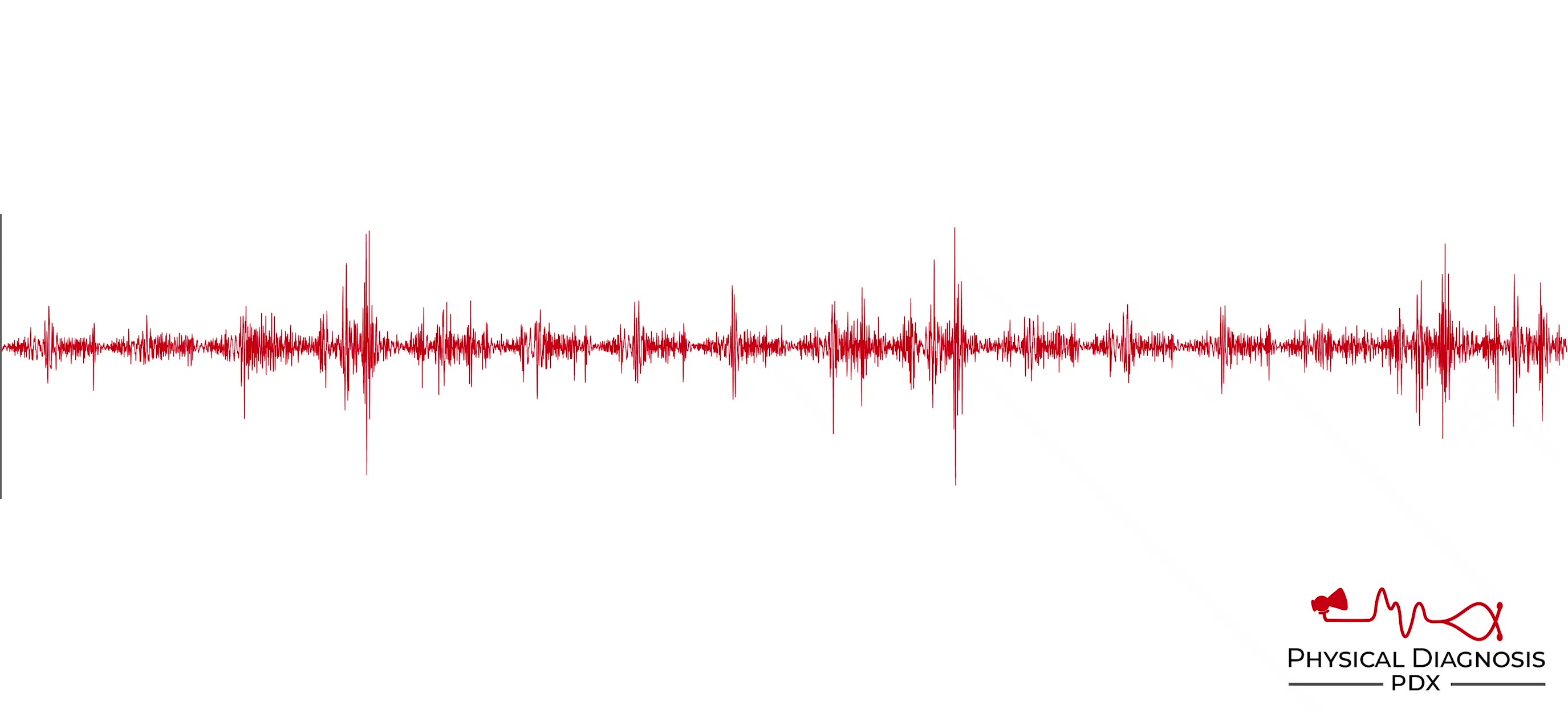
A pericardial friction rub is the sound that is generated as a result of an inflamed pericardium. Rubs consist of one to three sounds that may be mistaken for murmurs. However, the quality of the sound(s) is different and distinctive, often scratchy or creaky. Classically there are three components to a pericardial rub that correlate with atrial contraction (so you may hear it just before S1), during ventricular systole (between S1 and S2) and during the rapid filling phase of diastole (right after S2). A rub is diagnosed exclusively through physical examination.

Nephrology

Patient 1

This patient has a pericardial friction rub related to systemic lupus erythematosus.

https://physicaldiagnosispdx.com/wp-content/uploads/Nephrology_Uremia_Pericardial-Friction-Rub_3-Component-Pericardial-Friction-Rub.mp4

https://physicaldiagnosispdx.com/wp-content/uploads/Nephrology_Uremia_Pericardial-Friction-Rub_3-Component-Pericardial-Friction-Rub-2.mp4

Myasthenia Gravis

Teaching physical diagnosis through a library of real clinical findings.

  • About
  • Resources
  • Privacy
  • Acknowledgments